

Transition to adult healthcare
Discover what to expect when moving to adult healthcare for epilepsy, including tips for a smooth transition and managing independence.

If you have epilepsy and are thinking about driving, you are not alone. Many young people with epilepsy wonder if driving is an option for them. For some young people with epilepsy, it can be. For others, it may not be possible.
The driving rules are there to keep you and other people safe. In the UK, these rules are set by the Driver and Vehicle Licensing Agency (DVLA).
Before you can learn to drive, you need to apply for a provisional driving licence. When you apply, you must say if you have epilepsy.
If you have had a seizure, you must tell the DVLA. You can do this online or by filling in a medical form called FEP1.
You must stop driving straight away, this includes having driving lessons. It can feel disappointing, but it is an important safety step.
If you do not tell the DVLA about your seizures, you can be fined up to £1,000, and there can be much more serious problems if you have an accident.

Check out the story of Chris McCarthy, whose dream of being a motorsports racer ended when an epilepsy diagnosis at 17 barred him from driving. Now one of the country's most recognisable motorsports commentators and the creator of fundraising event Purple Sectors, his journey shows that not being able to drive because of epilepsy does not mean the end of your goals.
After you send your form, the DVLA looks at how epilepsy affects you. They use information from you and your doctors.
Some people with epilepsy will be able to drive, while others may never be able to drive, because their seizures make driving unsafe. Others may be able to drive after being seizure free for some time.

Not everyone with epilepsy will be able to get a driving license, but that doesn't mean you can't have independence. You may be entitled to a free or discounted bus pass and a discounted railcard.
Whether you can drive with epilepsy depends on various things, like:
Everyone’s situation is different, so please check the DVLA epilepsy information guidelines for full details.
If you have seizures while you’re awake and pass out, your licence will be taken away.
You can reapply for your licence if you haven’t had a seizure for at least one year.
If you had a seizure because your doctor changed or reduced your medication, you can reapply for your licence if:

Amelia's journey with epilepsy has come with many challenges, but after finding the right seizure treatment, her life has changed dramatically - and she has been able to start driving.

Molly's epilepsy meant that she had her driving license revoked. Read her journey from disappointment to independence, and how she managed before she reclaimed her license.
If you had your first-ever seizure while you were awake and passed out your licence will be taken away.
You can reapply when you have not had a seizure for 6 months AND the DVLA decide there is a low risk you’ll have another seizure.
If not, you can reapply after a year.
If you only have seizures while you’re asleep, you may still be able to get a driving licence if it’s been one year or more since your first seizure. The DVLA will decide after reviewing your FEP1 form. You must not drive until they tell you.
If your seizures do not affect your awareness or control, you may still be able to get a driving licence if your first seizure was at least 1 year ago.

Rachael is a Client Account Executive for a marketing company and Young Epilepsy Young Rep who was able to get her driving license and is grateful for the independence it's given her.
I got a new car a few months ago that I bought with my own money and this was such a proud moment
Many people with epilepsy who are allowed to drive get a short-term medical driving licence, lasting 1 to 5 years. This lets the DVLA check that it is still safe for you to drive after this time.
If someone has been seizure free for 5 years, they may get a normal 10-year licence.
Not being able to drive can feel unfair, especially when friends are learning. But driving is only one small part of independence. Many people with epilepsy build full, active lives without ever driving.
Being honest with the DVLA helps protect you and others, now and in the future.
Discover what to expect when moving to adult healthcare for epilepsy, including tips for a smooth transition and managing independence.
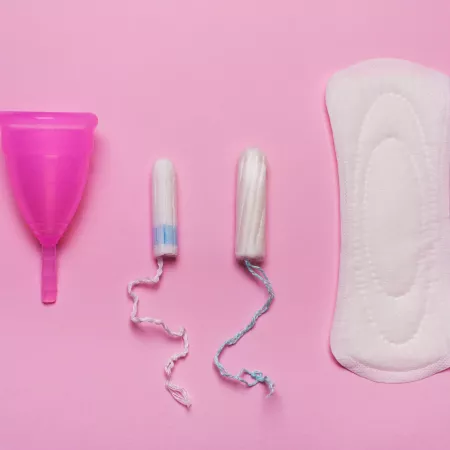
Learn how epilepsy can affect periods and discover helpful tips for managing both, offering insights and support for young women.

Learn about the relationship between epilepsy and contraception, including important considerations for managing both safely and effectively.
A space for young people, aged 13+, who are living with epilepsy, for them to share, learn and find support.

Get top tips and coping strategies and hear from other young people with epilepsy about how they are supporting their mental health wellbeing.

Discover educational support and resources for students with epilepsy, helping you manage your condition and achieve your academic goals.
Embark on your new career with confidence by checking out our guide to work and careers, covering your rights, support options, and personal stories.

From driving to transitions to adult healthcare, get tips from other young adults with epilepsy on navigating independence and life as you grow older.

Find guidance from young people with epilepsy on navigating family, friendships and dating, while feeling respected and included.

Getting out can feel scary with epilepsy. Whether it’s a holiday, night out or simple journey, find advice from young people who understand.

Explore stories from young people with epilepsy, covering diagnosis, seizures and treatment, with tips to help you feel more confident.

Become part of the Channel! Get involved and make your voice heard with other young people with epilepsy. Find out how you can be a part of this community.

Do you have a question about our work? Please click on the link to find out the best person to email or call.