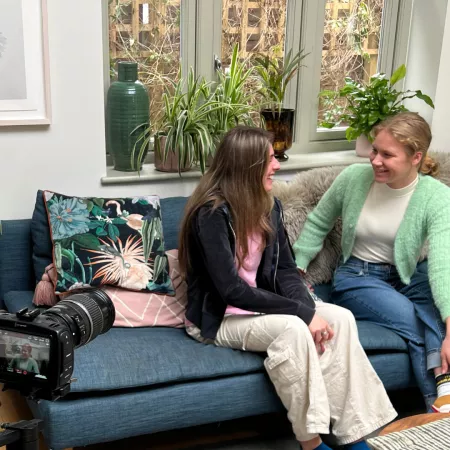
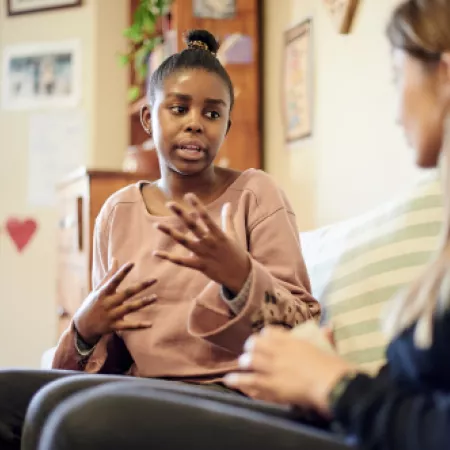
A medical professional smiles at a younger patient during a consultation.

About epilepsy in children

Reliable information for young people living with epilepsy, and for the families who support them. All our health information comes from expert sources.

Your questions about epilepsy in children, answered

Epilepsy is a condition that affects the brain and causes seizures. It's the most common serious neurological condition in childhood and with the right support, it can be managed well.

Over 100,000 children and young people in the UK live with epilepsy. Whether you've just been diagnosed, you're looking for support at school, or you want to understand a particular seizure type, this is the place to start. Parents and carers, you'll find everything you need here too.

Expert-sourced health information

Plain English · WCAG 2.2 AA

Where would you like to start?

A group of teenagers sit smiling in a row outside in the low light of sunset.

Just diagnosed? You're not alone.

A new diagnosis can feel overwhelming. We've put together two places to start: a support guide to walk you through what comes next, and the health information you'll want to read when you're ready.

Newly diagnosed? Support and what to expect

What is epilepsy?

Epilepsy is a condition that affects the brain and causes seizures. It's the most common serious neurological condition in childhood, and for most young people, it can be managed well.

Understanding epilepsy

Discover key facts about epilepsy, including what it is, who it affects, misdiagnosis rates, treatment gaps, and epilepsy-related deaths in the UK.

Causes of epilepsy

Young Epilepsy’s information on epilepsy causes – genetic, metabolic, unknown and in infant epilepsy

Epilepsy syndromes

Learn about common childhood and rare infancy epilepsy syndromes in this informative guide from Young Epilepsy.

Epileptic seizures

Understand epileptic seizures, their types, causes, and management. Find resources and support for living with epilepsy.

Diagnosing epilepsy

Find out how epilepsy is diagnosed, what to expect at your first appointment, and how to get the right support for children and young people.

Treatments for epilepsy

Explore various epilepsy treatments, including medication, surgery, and dietary options. Find resources and support for managing epilepsy effectively.

Common co-occurring conditions

Explore common co-occurring conditions like autism, ADHD and dyspraxia in children with epilepsy, and how to recognise and support them early.

Useful templates & tools

Access essential questionnaires and forms for parents and carers, and professionals, who care for children and young people with epilepsy.

Types of seizure

Seizures look different from person to person. Knowing what type of seizure you (or your child) has helps doctors choose the right treatment and helps everyone around you respond in the right way.

Seizure types

Each seizure type looks and feels different, and the support needed isn't the same for every type. Start with the one that describes what you've experienced.

Helping someone during a seizure

What to do during a seizure depends on the type of seizure. The steps below are a general guide for convulsive seizures (where the body shakes or stiffens) for other seizure types, the right response will be different.

Convulsive seizure · STAY · SAFE · SIDE

  1. Stay with the person. Note the start time.
  2. Make the area safe: move sharp objects, cushion the head.
  3. When the seizure stops, gently turn them onto their side.

Call 999 if a convulsive seizure lasts more than 5 minutes, if another seizure follows immediately, if there's an injury, or if you have any other concerns.

Full first-aid guide: You Can Help

Photograph of brain wave patterns on an EEG of a pediatric patient

Identify and manage seizure triggers

Sleep, stress, missed medication, illness and light are common triggers, though not every seizure has a trigger. Understanding common ones can help you spot patterns.

Find out more

Before a diagnosis: first seizures & the wait

If you've just had a first seizure (or your child has), or you're waiting for tests and appointments, this period of uncertainty can feel like one of the hardest parts. Here's what usually happens next, and how to prepare for what's ahead.

Getting a diagnosis

Diagnosing epilepsy isn't a single test. It's a process taking a history, watching what happens during seizures, and confirming with brain activity and imaging tests.

Other tests (NO CONTENT)

Blood tests, genetic tests, and the wider workup explained.

Your care team

Paediatric neurologist, epilepsy specialist nurse, GP, school nurse: who does what?

Childhood epilepsy syndromes

When epilepsy fits a specific pattern of symptoms, age and EEG findings, doctors may diagnose a syndrome. Knowing the syndrome guides treatment and tells you what to expect over time.

Usually starts before age 1. Brief, repeated spasms, often when a baby wakes. Urgent treatment matters: early diagnosis improves outcomes. This is the most-viewed syndrome page on our site.

Read about West syndrome

Brief "absences" lasting a few seconds. Often starts age 4–10. Most children grow out of it. 

Read more about childhood absence epilepsy

One of the most common childhood epilepsies. Seizures usually happen during sleep. Children almost always grow out of it.

Read more about SeLECTS

A rare, severe epilepsy that starts in the first year. Often linked to an SCN1A gene change. Specialist care matters. 

Read more about Dravet syndrome

Starts in the teenage years. Brief muscle jerks, often in the morning. Usually well controlled with medication. 

Read more about Juvenile myoclonic epilepsy

A severe childhood epilepsy with multiple seizure types and developmental impact. Specialist team management essential. 

Read more about Lennox-Gastaut syndrome

We have detailed pages for every recognised childhood syndrome, 13 in total. 

Learn about all epilepsy syndromes

Treatments & managing epilepsy

For most people, anti-seizure medication will be the first treatment. There are other options when needed, and your care team will tailor the plan to you.

Anti-seizure medication

Explore anti-seizure medications, their types, side effects, and tips for effective use. Find resources and support for managing epilepsy.

Complementary therapies

Learn about complementary therapies for epilepsy, including homeopathy, aromatherapy, yoga, and more. Doctors do not recommend these treatments.

Ketogenic diet for epilepsy

Learn about ketogenic, modified Atkins, and low glycaemic index diets for epilepsy treatment, improving seizure control for some children.

Support & resources by age

Needs change as you (or your child) grow. We have age-appropriate guidance for every stage, from babies through to early adulthood.

Epilepsy at school

You have the right to a full education, and the right support makes all the difference. Our schools guide is used by thousands of teachers and SENCos across the UK.

Exams & coursework

Access arrangements, rest breaks, extra time: what to ask for and when.

Study Hub

A space designed with young people to help you feel calmer, more confident and more in control when you study.

Memory & concentration

How epilepsy can affect learning, memory and focus and practical strategies for school and home.

Starting a New School Checklist

Starting a new school with epilepsy? Use our simple checklist to help you feel prepared, supported and confident before your first day.

Co-occurring conditions

Many people with epilepsy also live with autism, ADHD, learning differences or emotional difficulties. Understanding the overlap helps you get the right support.

Autism & epilepsy

Learn how autism and epilepsy can occur together in children and young people, and how to recognise signs and improve everyday experiences

ADHD & dyspraxia

Developmental conditions that frequently appear alongside childhood epilepsy.

Mental health & wellbeing

Anxiety, low mood, overwhelm: visit our mental health hub for support, stories and where to turn.

Safety, monitoring & SUDEP

Honest information about staying safe including monitoring, safety equipment, and the harder topic of Sudden Unexpected Death in Epilepsy (SUDEP). Knowing the facts helps you take simple, practical steps.

Monitoring seizures

Seizure monitors, alarms and apps: how monitoring can support safety at night and during the day.

Family support

Looking after a child with epilepsy can be tiring, frightening and isolating. Families need support too and we're here for the whole family.

Parents and carers

Our main hub for parents and carers: practical guides, support and where to start.

Friends, family and relationships

Find guidance from young people with epilepsy on navigating family, friendships and dating, while feeling respected and included.

If you're the one living with epilepsy

This bit's for you written by, and with, young people with epilepsy. Real talk, real stories, and support that doesn't sound like a leaflet.

I have epilepsy

Your home base: everything we've made for young people with epilepsy, all in one place.

The Channel

Stories, advice and answers from young people with epilepsy aged 13 to 25.

Youth Voice Network

250+ young people shaping research, campaigns and the way we talk about epilepsy. Join us.

Youth support offer

Meet others, share experiences, and get one-to-one support from our youth workers.

A young man looks solemnly at his phone outside.

Are you struggling to cope?

For anyone struggling with their mental health, we have partnered with SHOUT, a FREE 24/7 confidential text service.

To start a conversation Text PURPLE to 85258

Find out more