Epilepsy surgery and surgical procedures

What is epilepsy surgery?  

Epilepsy surgery involves having an operation. The aim of surgery is to help stop or reduce seizures. Surgery is done when anti-seizure meds don’t work.  

During surgery, special doctors called surgeons find the part of the brain causing the seizures and try to fix it. This should help you feel better and have less seizures. For some people surgery can stop seizures altogether.  

There are different types of epilepsy surgery. Some are big operations and some are smaller procedures. 

The main aim of all types of epilepsy surgery is to stop seizures. But surgery can also improve your memory, thinking and day-to-day life. For example, if you have less seizures after surgery, you may be better at solving problems and remembering things. You may even do better and enjoy school more.

 What are the different types of epilepsy surgery? 

If your doctor thinks that surgery might be an option for you, they should send you (refer) to a specialist surgery centre. Before having any type of surgery, your doctor will talk to you and your family about the risks and benefits. They will explain the possible side effects. They will also talk to you about the different types of surgery, and which one may be suitable for you.  

The main types of epilepsy surgery are: 

 Brain surgery 

There are two types of epilepsy brain surgery (neurosurgery): 

  • Resective surgery 
  • Disconnective surgery. 

Which type of surgery you have will depend on the type of seizures you have. These types of surgery involve having an operation. You will also have to stay in hospital for a few days. For more information, read our page about brain surgery

Other types of epilepsy surgeries 

As well as brain surgery, there are other types of surgical procedures you can have for epilepsy. These are normally small operations. But you may still need to stay at hospital overnight.  

Other surgical procedures include: 

  • VNS therapy – a procedure that uses a device to send electrical signals to the vagus nerve in your neck. 
  • DBS – a procedure that uses electrical currents to stimulate certain areas of your brain. 

Read more about VNS and DBS, including who can have them and the possible side effects. 

 Laser beam epilepsy surgery  

Laser interstitial thermal therapy (LITT) is another type of surgery for epilepsy. You may hear it being called laser ablation surgery. It uses heat from a laser beam to destroy damaged areas of the brain that cause seizures. 

LITT is gentler on your body than other types of surgery. It involves a quicker and less painful recovery. 

It isn’t available everywhere in the UK and it will only be suitable for people with certain types of epilepsy. For example, people whose seizures start in one specific area of their brain. More research is needed to understand how well LITT works on different areas of the brain. 

Ask your doctor about LITT. They will try to answer any questions you have and may be able to offer you more information about LITT. 

Who can have epilepsy surgery?  

If you have epilepsy which has not responded well to at least two different anti-seizure meds, your doctor may send you to a specialist surgery centre. You may also see a neurologist – a specialist doctor trained to look after people with neurological (nervous system) disorders. 

Remember, your doctor should always involve you, and your parents or carers, in decisions about your treatment. If surgery is an option for you, your doctor should talk to you about the different types. They should also explain the benefits and risks of surgery, and any side effects of surgery. 

Real stories from young people who have had surgery

What tests will I need before epilepsy surgery? 

If epilepsy surgery is an option for you, your doctor may suggest doing some tests and scans before deciding if it’s right for you. This will help them understand exactly where in your brain the seizures are coming from.  

Tests and scans you may need before surgery include:

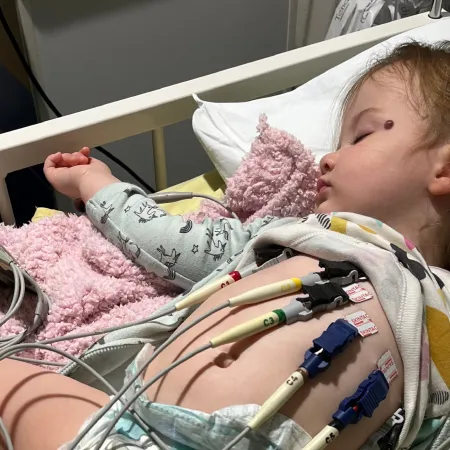
An EEG is a brain wave test that shows whether there is abnormal seizure activity in certain areas of your brain between seizures.

This kind of EEG test is done over several days and nights, with a video camera to record the number of seizures. 

An MRI is a type of brain scan that uses magnetic signals to get a very detailed picture of your brain.

These tests see whether you have any learning problems. 

A psychiatrist (a health professional who is trained to listen) may talk to you, and your parents or carer, about how epilepsy is affecting your day-to-day life.

A PET scan of your brain uses an injection of a radioactive dye, which helps show areas of your brain involved in your epilepsy.

SPECT scans show how blood flow within your brain may be causing seizures. 

A MEG scan records signals (also called brainwaves) through your scalp using an EEG.  

These may include speech and language therapy, occupational health and physiotherapy. 

You may not need all the tests and scans on this list. Which tests you have will depend on the type of seizures you have and how much information your doctor wants to collect. Talk to your doctor about your own situation. They will explain what tests are needed and why.  

After you’ve had tests or scans, your medical team will go through your results and decide what treatment options may be suitable for you. They will then talk to you, and your parents or carers, about your results. You will make a decision together about your treatment. Don’t be afraid to ask questions or talk about any concerns you have. Your medical team are there to help and support you.  

Can epilepsy be cured by surgery?  

For some people, epilepsy surgery can stop seizures altogether. After brain surgery, seven out of 10 people become seizure-free. But for others, brain surgery can reduce the number of seizures and improve day-to-day life. Read more about how well brain surgery can work on our page:

 Brain surgery (neurosurgery)

What are the risks of having epilepsy surgery? 

As with any operation, epilepsy surgery comes with its own risks. Your doctor should talk to you, and your parents or carers, about all the possible risks of surgery before you decide. 

For most people with epilepsy, surgery is safe, works well and they don’t have any long-term side effects. Read more, including all the risks and possible side effects on our individual surgery pages: Brain surgery (neurosurgery), VNS and DBS

Who can I talk to about epilepsy surgery? 

If you have questions about epilepsy surgery, or want to know more about the different types, talk to your doctor or epilepsy specialist nurse. They will be able to explain the different options. And go through the risks and benefits with you.  

Other useful organisations  

NHS website 

www.nhs.uk 

Information about epilepsy and different tests and scans. 

NICE website  

www.nice.org.uk  

Up-to-date guidelines for children and young people with epilepsy.  

1. Eriksson MH, Prentice F, Piper RJ, et al. Long-term neuropsychological trajectories in children with epilepsy: does surgery halt decline? Brain. 2024;147(8):2791-2802. doi:10.1093/brain/awae121 

2. Janecek JK, Brett BL, Pillay S, Murphy H, Binder JR, Swanson SJ. Cognitive decline and quality of life after resective epilepsy surgery. Epilepsy Behav. 2023;138:109005. doi:10.1016/j.yebeh.2022.109005 

3. Braun KPJ. Influence of epilepsy surgery on developmental outcomes in children. European Journal of Paediatric Neurology. 2020;24:40-42. doi:10.1016/j.ejpn.2019.12.014 

4. NICE. Epilepsies in children, young people and adults. Published online 2022. 

5. Heenan N, Coleman K, Tittensor P, Shepley S. Epilepsy in Children and Young People. Karger; 2024. 

6. Overview | MRI-guided laser interstitial thermal therapy for drug-resistant epilepsy | Guidance | NICE. March 4, 2020. Accessed February 12, 2026. https://www.nice.org.uk/guidance/htg541 

7. England NHS. NHS England » NHS launches laser beam brain surgery to treat epilepsy. October 22, 2022. Accessed March 5, 2026. https://www.england.nhs.uk/2022/10/nhs-launches-laser-beam-brain-surgery-to-treat-epilepsy/ 

8. Surgery for epilepsy. GOSH Hospital site. Accessed February 12, 2026. https://www.gosh.nhs.uk/conditions-and-treatments/procedures-and-treatments/surgery-epilepsy/ 

9. Lamberink HJ, Otte WM, Blümcke I, et al. Seizure outcome and use of antiepileptic drugs after epilepsy surgery according to histopathological diagnosis: a retrospective multicentre cohort study. The Lancet Neurology. 2020;19(9):748-757. doi:10.1016/S1474-4422(20)30220-9 

10. Spencer S, Huh L. Outcomes of epilepsy surgery in adults and children. The Lancet Neurology. 2008;7(6):525-537. doi:10.1016/S1474-4422(08)70109-1 

11. Hader WJ, Tellez-Zenteno J, Metcalfe A, et al. Complications of epilepsy surgery: a systematic review of focal surgical resections and invasive EEG monitoring. Epilepsia. 2013;54(5):840-847. doi:10.1111/epi.12161 

12. Kim SK, Wang KC, Hwang YS, et al. Epilepsy surgery in children: outcomes and complications. J Neurosurg Pediatr. 2008;1(4):277-283. doi:10.3171/PED/2008/1/4/277

This information was written by: 

  • Young Epilepsy Health Information experts. 

This information was reviewed by: 

  • Kirsten McHale, Nurse Consultant & Head of Health at Young Epilepsy 
  • Children and young people living with epilepsy 
  • Carys Aimes, Children's Epilepsy Clinical Nurse Specialist, Hull University Teaching Hospital (Humber NHS Partnership Trust) 
  • Nicola Heenan, Senior children's neurology clinical nurse specialist, Hull university teaching hospitals NHS trust (Humber NHS Partnership Trust). 

Meet our health editors

More about epilepsy surgery

More about epilepsy surgery

Nerve stimulation

Learn about vagus and trigeminal nerve stimulation for young people with epilepsy, a treatment for those with frequent, drug-resistant seizures.

Find out about epilepsy treatments

Find out about epilepsy treatments

Anti-seizure medication

Explore anti-seizure medications, their types, side effects, and tips for effective use. Find resources and support for managing epilepsy.

Find out about epilepsy treatments

Complementary therapies

Learn about complementary therapies for epilepsy, including homeopathy, aromatherapy, yoga, and more. Doctors do not recommend these treatments.

Find out about epilepsy treatments

Ketogenic diet for epilepsy

Learn about ketogenic, modified Atkins, and low glycaemic index diets for epilepsy treatment, improving seizure control for some children.

More information about epilepsy

More information about epilepsy

Causes of epilepsy

Learn about the causes of epilepsy, including genetic, metabolic, unknown origins, and epilepsy in infants, from Young Epilepsy.

More information about epilepsy

Epilepsy syndromes

Learn about common childhood and rare infancy epilepsy syndromes in this informative guide from Young Epilepsy.

More information about epilepsy

Epileptic seizures

Understand epileptic seizures, their types, causes, and management. Find resources and support for living with epilepsy.

More information about epilepsy

Diagnosing epilepsy

Find out how epilepsy is diagnosed, what to expect at your first appointment, and how to get the right support for children and young people.

More information about epilepsy

Treatments for epilepsy

Explore various epilepsy treatments, including medication, surgery, and dietary options. Find resources and support for managing epilepsy effectively.

More information about epilepsy

Common co-occurring conditions

Explore common co-occurring conditions like autism, ADHD and dyspraxia in children with epilepsy, and how to recognise and support them early.

Last updated July 2026.

We're currently reviewing this information. The next update will be 2029. If you would like to find out more about how we produce our information, or the sources of evidence we use, please contact us at healthinfo@youngepilepsy.org.uk