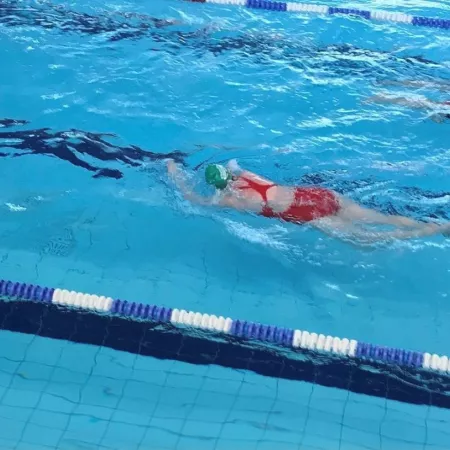
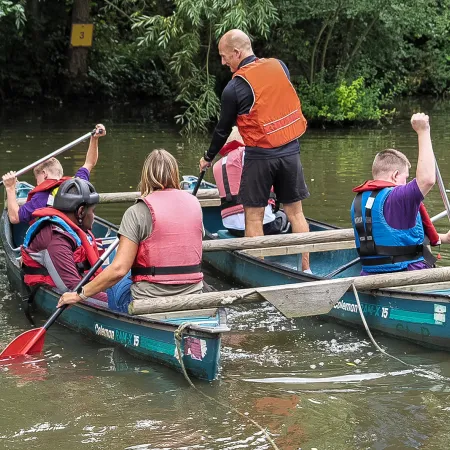
Every child deserves to be included
It is understandable that schools may have concerns about the safety of a child or young person with epilepsy. Questions about seizures, medication, trips, sports, emergencies and supervision can feel daunting, particularly if staff have limited experience of supporting epilepsy.
However, most children and young people with epilepsy can safely take part in the same activities as their peers. A risk assessment should help schools identify reasonable adjustments and support measures that enable participation, rather than prevent it.
A good risk assessment:
- Focuses on the individual child and their epilepsy
- Considers both risks and opportunities
- Is developed alongside the child, family and healthcare professionals where appropriate
- Links to the child's Individual Healthcare Plan (IHP)
- Identifies practical measures to reduce risk
- Promotes independence and inclusion
- Supports staff to be confident in epilepsy management
No two children with epilepsy are the same. The support needed will depend on factors such as seizure type, frequency, triggers, recovery needs, medication and the child's age and confidence. Pupils’ needs should be treated on an individual case-by-case basis. They should not result in blanket policies that place restrictions on them or automatically assume that students with epilepsy are a greater risk.
The Health and Safety Executive provide more information on supporting pupils with disabilities, special educational needs, and additional support needs.