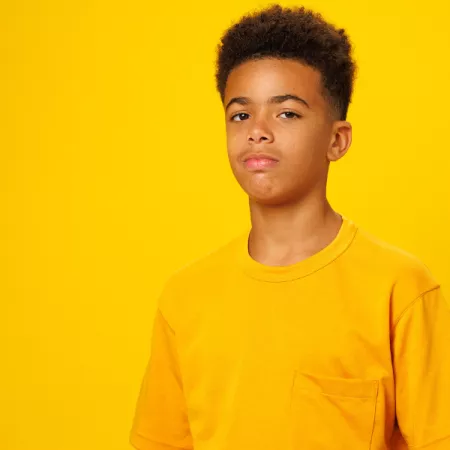
photograph of young man, wearing a yellow t-shirt against a yellow background, looking straight at camera determinedly

Understand my Epilepsy

1 in 3 children with epilepsy do not get the support they need at school

They are unnecessarily missing out on their childhood and their futures are being put at risk, because people don’t understand epilepsy and how it can be different for everyone.

Too often, seizures are missed or mistaken for not paying attention, school staff are unaware of what to do when a seizure happens, and children are unnecessarily excluded from learning, sports and trips.

Our #UnderstandMyEpilepsy campaign is calling for all children with epilepsy to be safe and included and school. 

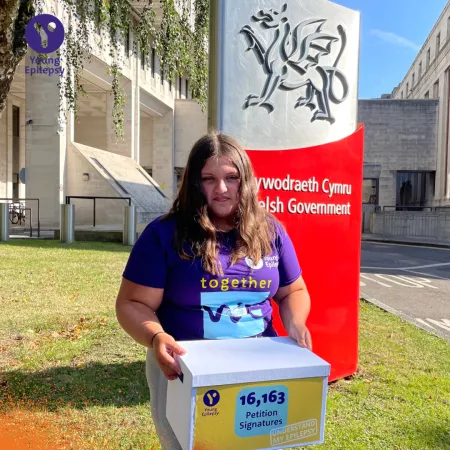
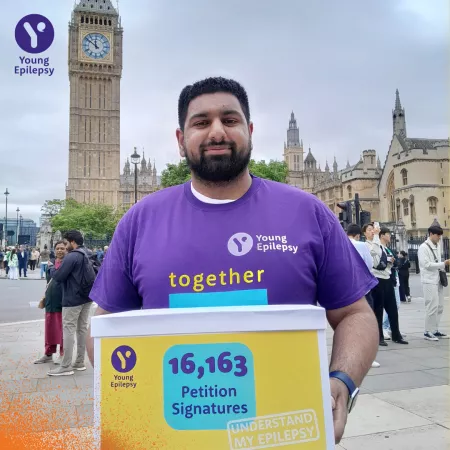
Members of our Youth Voice Network took this message directly to Parliament in October. The young people powerfully shared their experiences and views with their MPs and called for every child with epilepsy to have an Individual Healthcare Plan (IHP) for school. 

Find out more about our landmark event in the House of Commons.

Your support for the campaign has been amazing and we are starting to see progress across the UK.

Government guidance for schools needs to be made clearer so that every child with epilepsy receives the support they need through an IHP.

IHPs are a lifeline. They help school staff understand each child’s epilepsy, ensure their safety, and pave the way for full inclusion in every school activity.
Learn more about Individual Healthcare Plans (IHPs)

What you achieved so far

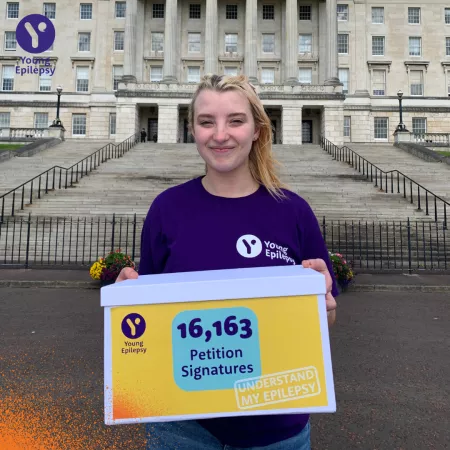
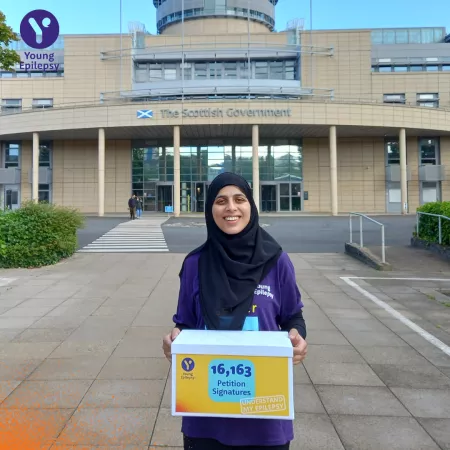
  • 16,163

    of you signed our petition to tell UK governments they must ensure schools have an IHP in place for every child with epilepsy.

  • 583

    of you sent personal messages to your elected representatives – thank you for your support!

  • 368

    elected representatives were reached out to, representing 55% of UK constituencies.

Because of you, your elected representatives have contacted government ministers, local authorities, and asked questions in parliaments across the UK to help improve school support for children with epilepsy.

Read some tips for replying to your elected representative.


How has the government responded?

Young people delivered the petition and we’re pleased to see so many governments now taking action to improve school support for children with epilepsy.

How has the government responded?

England

The government has reviewed and updated the guidance on ‘supporting pupils with medical conditions’, with input from Young Epilepsy. There is a consultation on the draft guidance before it can be finalised.

How has the government responded?

Scotland

The government provided reassurance on what is included in the current guidance on supporting children and young people with healthcare needs in schools.

How has the government responded?

Wales

The minister said that the government will consider our petition (and resources for schools) when they review the guidance for supporting learners with healthcare needs. The minister thanked Young Epilepsy for raising awareness of this issue through the campaign.

How has the government responded?

Northern Ireland

The government has said that it is now reviewing the guidance for schools on supporting pupils with medication needs. A representative from the Department of Education met with Young Epilepsy.

A young person led campaign

The Understand My Epilepsy campaign is led by young people with epilepsy. We listen to them and work with them to amplify their stories.  Working together we will take their voices to the decision-makers and make them sit-up and listen.

Your voice can make people sit up and listen. Led by the voices of young people with epilepsy, we are asking all schools, colleges and universities to keep young people like you safe and included.

Meet the young people leading the #UnderstandMyEpilepsy campaign

A young woman, Bea, wears yellow against a yellow background with her arms crossed.

My epilepsy means I have focal seizures.

I am Bea

A young woman, Bea, wears yellow against a yellow background with her arms crossed.

My epilepsy means I have focal seizures.

I am Bea

Ruebn against a yellow background smiling to the camera

My epilepsy means I have absence seizures.

I am Ruben

Ruebn against a yellow background smiling to the camera

My epilepsy means I have absence seizures.

I am Ruben

Jasmine against a yellow background smiling to the camera

My epilepsy means I have tonic-clonic seizures.

I am Jasmine

Jasmine against a yellow background smiling to the camera

My epilepsy means I have tonic-clonic seizures.

I am Jasmine

Cash against a yellow background smiling to the camera

My epilepsy means I have focal seizures.

I am Cash

Cash against a yellow background smiling to the camera

My epilepsy means I have focal seizures.

I am Cash

Photograph of three young men the audience of a conference, one holding a mic

We're listening

The Youth Voice Network is a nationwide community of young people living with epilepsy. Add your voice to the conversation and help us ensure every young person living with epilepsy is safe and included.

We can’t do it without you.

Be a part of the change and join today!

Every child with epilepsy deserves to be safe and included at school

Children left feeling lonely, isolated and rejected. Unnecessarily excluded from opportunities at school and struggling to keep up with their classmates.

Shockingly, 1 in 3 children with epilepsy like Ruben are left without the crucial support they need at school.

Enough is enough! It's time for action. Together, let's demand change. Every child deserves an equal chance to succeed. Understand their epilepsy and help them reach their potential.

See the results of our epilepsy support at school survey

How can I better understand?

How can I better understand?

Are you a young person with epilepsy?

You have certain rights at school. It is your school’s responsibility to make sure you have the support you need. But it can help to know your rights and what you are entitled to.

How can I better understand?

Do you know a young person with epilepsy?

If you know a young person grappling with epilepsy, you might feel uncertain about approaching the topic with them. Epilepsies vary, impacting individuals in diverse ways. However, understanding their condition can begin with a straightforward conversation.

How can I better understand?

Do you teach a young person with epilepsy?

We're here to help you too. If you are an education professional or a provider of extracurricular activities for children and young people please visit our Guide for Schools which provides information, tools and guidance and supporting young people in your care.

Why is epilepsy unique for everyone?

Epilepsy is not a single condition; it can start at any age and there are many different types.

There is only one similarity, and that is everyone with epilepsy has seizures, but there are many different types of seizure and what happens to a person during a seizure can vary enormously.

What happens after a seizure also varies from person-to-person. Some people may need a moment to compose themselves and then they can pick-up where they left off, studying, working, or playing a sport. Other seizures may mean the brain and body needs more time to recover and they may need to sleep for a few hours or even a few days. 

Seizure triggers and anti-seizure medication side effects also play an important role in defining an individual’s support needs.  Seizure triggers vary widely, from lack of sleep and stress, to missing meals, being unwell and more. Some medications can cause drowsiness and/or dizziness, they can affect memory, learning and attention.

Quite simply, there is no single way to support a child or young person with epilepsy. But there are ways to understand what they need to be safe and included. 

Learn more about epilepsy

Understanding someone with epilepsy means understanding their seizure type, their triggers, their medication side-effects, the impact on their learning. Understand their epilepsy and support them to be safe and included at school. 

Photograph of young girl wearing school uniform leaning on a desk concentrating

Donate to the campaign

Your donations can help us provide free training and resources for school staff so that children don’t miss out.

together we create possible

Donate today