
Atonic seizures are type a of seizure. This information is for people affected by or concerned about atonic seizures.
Use this page as a general guide and speak to a health professional for more information and support.

Atonic seizures are type a of seizure. This information is for people affected by or concerned about atonic seizures.
Use this page as a general guide and speak to a health professional for more information and support.
Atonic seizures can be generalised (affecting both sides of the brain from the start) or focal (they start in one side of the brain).
It’s like someone hits the off switch on your muscles — you just drop, fast and without warning. It only lasts for seconds.
- Description from young people with epilepsy in the Youth Voice Network.
Atonic is the opposite of tonic. During an atonic seizure muscle tone is reduced, as opposed to going rigid like in a tonic or tonic-clonic seizure. People who have other seizure types, such as tonic or myoclonic seizures, may also have atonic seizures.
Your muscle tone reducing can cause you to suddenly flop forward and, if you are standing, fall to the ground. This is sometimes called a ‘drop attack’.
In babies, atonic seizures most often appear as a ‘head drop’.
During an atonic seizure, you may lose consciousness for a short time, but you usually recover quickly.
If you are at risk of atonic seizures, or they happen often, you may need to wear protective headgear, such as a helmet. This is because of your risk of injury from falling or losing consciousness.
You told us what really helps when you're having a seizure, and we listened. This guidance is shaped by a powerful mix of lived experience and clinically informed expert advice, coming together to help others know what to do.
Even though these seizures only last a few seconds, someone having one still needs your help.
To help someone who is having an atonic seizure, follow these steps:
Call an ambulance if they’ve seriously injured themself.
The person may have an emergency management or care plan. If they do, you should follow the instructions in their plan. Their plan may include giving them their prescribed emergency medication, but do not administer emergency medication unless you are trained to do so. If you have to call 999, stay on the line and follow the guidance of the call handler.
If you have atonic seizures, your doctor or epilepsy specialist nurse may suggest you start by trying a single med. For example, lamotrigine or sodium valproate. If the one you try does not work or you have side effects, you can try the other med either on its own or as an add-on.
If both of these meds do not work, your doctor or epilepsy specialist nurse may suggest something else. Like different meds or the ketogenic diet.
If you’d like to know more about what meds you might be offered, talk to your doctor or epilepsy specialist nurse. Or go to the NICE website to read the most up-to-date guidelines.

Tonic-clonic seizures used to be called grand mal seizures. They are the type most people recognise. Tonic-clonic seizures are caused by abnormal electrical activity which affects the whole brain.

Absence seizures used to be called petit mal seizures and are more common in young people. Absence seizures are often subtle but are still very serious.

Myoclonic seizures might make you jerk, roll your eyes, blink, nod, make coughing sounds, or fall to the ground (if you’re standing). They can be generalised or focal seizures.

Tonic seizures can be generalised (affecting both sides of the brain from the start) or focal (they start in one side of the brain). The name ‘tonic’ means an ‘increase in tone or tightness’ of the muscles.

Atonic seizures are the opposite of tonic seizures, so during an atonic seizure muscle tone is reduced, which causes you to suddenly flop forward and fall to the ground. This is sometimes called a ‘drop attack’.
Read about what atonic seizures really feel like, with honest stories from young people, families, and the UK epilepsy community. Share your own experience!
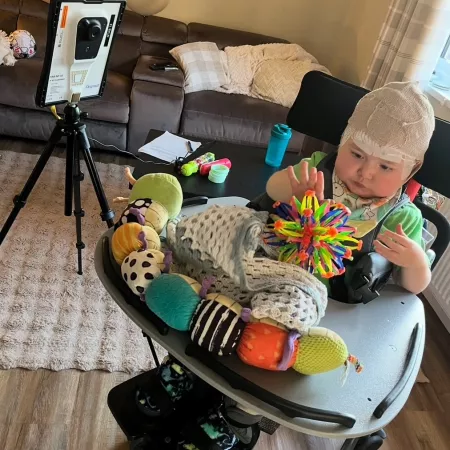
Rachel tells the story of how her son Charlie was diagnosed with Lennox-Gastaut Syndrome, and how her family is looking forward.
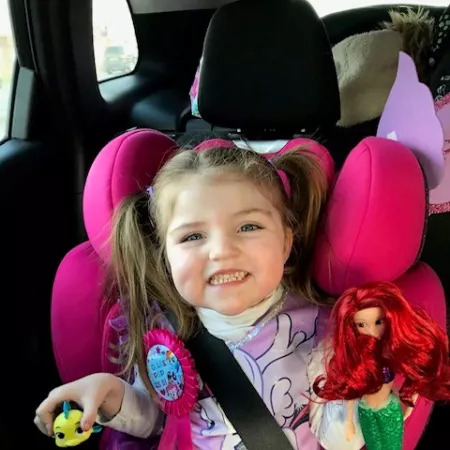
Read Olivia’s experience with the ketogenic diet for managing epilepsy, sharing how it helped her take control of her health.
Last reviewed July 2025.
Next review due July 2028.
If you would like to find out more about how we produce our information, or the sources of evidence we use, please contact us at healthinfo@youngepilepsy.org.uk

Do you have a question about our work? Please click on the link to find out the best person to email or call.