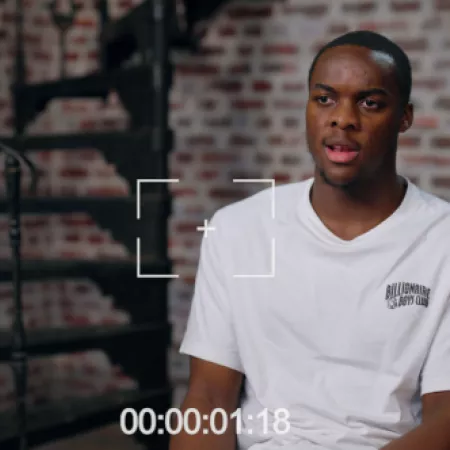
Written by Nana-Ama, Youth Voice Network member
I’ve been living with epilepsy since I was a teenager, after my seizures first started at 15. Over time, I’ve learnt more about my condition and what it means for me, including how to manage my tonic-clonic seizures.
I got involved with Young Epilepsy because I wanted to meet others who understood what I was going through. Since then, I’ve been part of the Youth Voice Network and now the Youth Content Team, where I share my experiences to help raise awareness and make sure people feel seen and understood.
There is no one-size-fits-all when it comes to epilepsy. There are over 30 types of seizures, but they all start in the brain.
Understanding epilepsy
Epilepsy is a chronic neurological condition where spikes in electrical activity can cause recurring seizures. These can last from a few seconds to more than five minutes and may require hospital care.
For a long time, I didn’t know many people who had epilepsy. But over the years, I’ve built a network of people who understand what it’s like, which has been incredibly positive.
Discovering Purple Day
As part of my personal mission to meet more people like me, I came across Purple Day during a check-up with my epilepsy nurse. I hadn’t realised there was a whole day dedicated to raising awareness, reducing stigma and helping people understand epilepsy better.
When my nurse asked if I wanted to be part of the hospital’s Purple Day, I jumped at the chance.
What Purple Day meant to me
The day before, I painted my nails purple and told everyone I knew how excited I was.
When I arrived at the hospital, I met other patients and staff, and we spent time sharing our experiences. It felt really special to connect with people who understood.
At one point, I spoke to the mother of a newly diagnosed child and explained what the ketogenic diet was. She was so thankful, and it reminded me how important these conversations are.

A conversation that stayed with me
During the day, a receptionist approached me and asked why I was sitting at the Purple Day table.
I decided to be open about my epilepsy and explained what Purple Day was about. As we spoke, he shared that he once had a friend with photosensitive epilepsy - and admitted he used to flash lights to trigger their seizures. He quickly realised how serious that was and apologised.
We ended up having an honest conversation about epilepsy. I explained that my seizures aren’t photosensitive and are instead triggered by things like stress, tiredness and hunger. I also shared that only around 3% of people with epilepsy have photosensitive seizures.
By the end of the conversation, he understood how harmful his actions had been and said he wished he had learned more at the time. He took leaflets, spoke to others at the event, and left determined to educate himself further.
Why understanding matters
That interaction stayed with me.
It made me realise how little some people understand about epilepsy - even in places like hospitals. But it also showed me how powerful open conversations can be.
Everyone’s experience of epilepsy is different. We may have different seizure types, triggers, medications and support needs. That’s why it’s so important to listen to each other and learn from lived experiences.
Moving forward together
I don’t feel angry about that conversation. If anything, it showed me why awareness matters so much.
If more people understood epilepsy, it would be easier to talk openly, challenge misconceptions and support one another better. Understanding shouldn’t stop at the medical side either - it should include the emotional, social and real-life impacts too.
There’s still a long way to go, but I feel hopeful that things can change.