
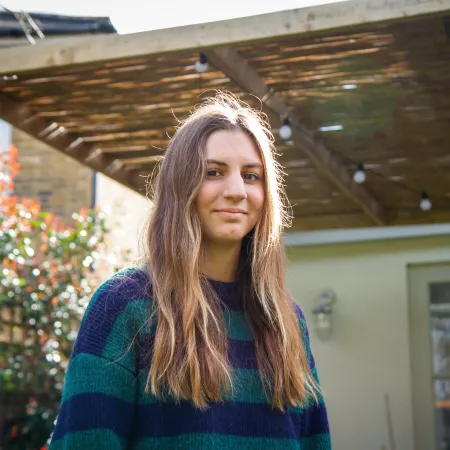
Asking me about my mental health
Tips from young people living with epilepsy about how to check in with them and their mental health, whether you're a friend or a professional supporting them.
Self‑worth means knowing you should be treated with kindness and respect, just because you’re you.

It’s not about your grades, your job, how many friends you have, or how often you have seizures. Self-worth is recognising that you are valuable because of who you are, not because of what you can do. You don’t have to do anything to be worthy, you simply are.
Self‑worth means liking yourself and knowing you are important, no matter what. When self-worth is high, you might find it easy to speak up for yourself, be kind to yourself, and forgive yourself when you make mistakes. When you don’t feel good about yourself (self-worth is low), you might be too hard on yourself when things go wrong. Self-worth isn’t fixed, and it can grow over time.
For some people, epilepsy can affect their self-worth negatively. Epilepsy can be hard to predict. It’s like the weather – sometimes it’s calm, and sometimes surprises pop up that you didn’t expect. Epilepsy can change how you feel about yourself, your confidence, how you are doing at school, and your plans for the future. Here are some things that can affect self-worth:
Other young people with epilepsy describe the impact on their mental well being as:
Be kind to yourself and don’t feel ashamed of your diagnosis.Young person living with epilepsy
Coming to terms with and accepting an epilepsy diagnosis is half the battle. Once you have done that, try not to let it hold you back from doing what you love.Young person living with epilepsy
Young people with epilepsy who responded to our survey told us:
52% of young people do not find it easy to talk about how living with epilepsy makes them feel
99% of young people said living with epilepsy has had an impact on their mental wellbeing
Talk to yourself like you would talk to a friend. If a friend said to you, “I feel like a burden”, you would never reply “Yeah, you are actually”. You would be kind to them – and you deserve to be kind to yourself too.
Sometimes we can be too hard on ourselves. Try to notice when you’re thinking something mean about yourself and replace it with a kind thought instead.
Positive affirmations are kind sentences you say to yourself, and they can help you to feel good for a long time.
Leave a journal or paper close by somewhere where you will see it as soon as you wake up. Choose 1-3 positive affirmations (sentences) that feel right for that day.
For example: I am strong, I am capable, I am worthy.
Say them out loud or in your mind before carrying the piece of paper round with you for the rest of the day. You can make them specific to your seizures.
It’s easy to think that celebrations should only happen on special occasions or when we do something big. But what if you could celebrate yourself in small ways, every day?
Progress doesn’t have to be huge to matter. Notice when you’ve taken a step forward, even if it’s a small one. These small wins add up over time. Praise yourself for your achievements, even if they are small.
Self-care isn’t just bubble baths (although it might be!). Self-care is all about the things you do to take care of yourself, and it looks different for everyone.
If you’re a very busy person and you find it hard to unwind, self-care might look like having an evening off to speak with a friend or read a book.
If you’ve been feeling unmotivated (not feeling like doing anything), self-care might be going for a short walk and feeling the sun on your skin.
If you’re overwhelmed, you could take care of yourself by doing something creative or comforting.
Self-care also includes your hobbies. Doing things which you enjoy is an important part of looking after your wellbeing. It can help to remind you of who you are outside of stress and responsibilities.
Comparing yourself to others can make you feel worse about yourself. You are unique, so there is no point comparing yourself with someone else. The only person you really need to make proud is yourself. If you compare yourself with other people, try instead comparing yourself with who you were a year ago. Think about all of the things which you have learned and how you have grown.
Social media can lift you up or pull you down, depending on how you use it. You choose who you follow, so you are in control of what you see.
You might have heard of the phrase ‘social media diet’. This is because what you take in on social media can affect your mental health, in the same way that the food you eat affects your physical health. If you were eating chocolate all day every day, your body probably wouldn’t feel good. In the same way, if you’re looking at social media which isn’t good for you every day, it’s likely to affect your self-worth (how you feel about yourself).
Pay attention to how your feed makes you feel. Go through who you are following and think about whether their posts make you feel bad about yourself or worried. If their posts have a negative effect on how you feel, there’s no need to keep following them.
One of our youth voice network members recommends following Instagram accounts with positive quotes and posts for self-love, self-worth and positivity. Search for hashtags such as:
#epilepsyquotes #epilepsyawareness #epilepsy #epilepsystrong
This will help improve your self-worth (how you feel about yourself) and may also help you connect with others.
Physical activity is a great way to improve self-worth (how you feel about yourself)2. Find exercise that you enjoy and that doesn’t feel like a chore. Exercise doesn’t have to look like running or going to the gym. Yoga, dancing, climbing, horse riding, pickleball, hiking, swimming, and Pilates are all great forms of exercise. Endorphins are happy chemicals your body makes, and your body releases them when you move and play.
This doesn't have to be a huge challenge like running a marathon. Start by setting yourself small, achievable goals. Some people like to make daily goals, including things like getting out of bed and having a healthy meal. Ticking these off gives a sense of achievement, which can help to strengthen your self-worth.
It’s okay to speak up for yourself and have rules that help you feel safe, especially when you have epilepsy. If you’re feeling too tired or too upset, it’s okay to take a break and tell someone what you need.
You can’t control having epilepsy, but you can control how you talk to yourself, who you spend time with, what goals you set yourself, and how you spend your free time. Focusing on what you can control can help you to feel more calm and sure of yourself.

Discover how journaling can help young people with epilepsy manage stress, reduce anxiety, improve wellbeing and recognise patterns in daily life.
If you feel you are struggling with low self-worth (not feeling good about yourself), please contact your GP.
If you are struggling with your self-worth, remember, you are not alone.
Try downloading this app that young people recommend:
Mindfit - Train your mindset to erase negative thoughts.
There are other self-care apps which can help you to set small, easy daily goals.
Finch - Your New Self-Care Best Friend. Take care of a virtual bird by completing small self-care tasks that help you to feel good and build healthy habits.
Aloe Bud is a reminder app that helps you to take care of yourself by sending friendly reminders to drink water, rest, breathe, and check in with how you’re doing.
If you would like to talk to someone, reach out to one of the organisations below. There are people ready and waiting to help you:
Shout: For anyone struggling with their mental health we have partnered with SHOUT, a FREE 24/7 confidential text service. To start a conversation Text PURPLE to 85258.
Samaritans Call 116 123. 24/7 listening service for anyone experiencing emotional distress, feeling overwhelmed, or having suicidal thoughts. Trained volunteers offer non-judgemental listening and support.
Papyrus Call 0800 068 4141 88247. 24/7 suicide prevention service for young people experiencing suicidal thoughts. There is a chat service on their website.
The Mix Support service for young people who are struggling with their mental health, relationships, stress, or anything else that feels overwhelming. Free and confidential helpline, text service, online chat, and forums, where you can talk to trained staff or connect with other young people.
Find further signposting and how you can receive support from Young Epilepsy

Shout is a free, confidential and 24/7 text support service for anyone in the UK
To start a conversation, text PURPLE to 85258
‘Me and my daughter have epilepsy, just know that's your superpower. You've got this, keep smiling.’Throughout our #OnTopOfEpilepsy campaign, supporters shared messages of support
Self‑worth means knowing you are important and special, no matter how you do at school or how much epilepsy affects you. You can grow your self‑worth by being kind to yourself, cheering for your own wins, and doing things that make you happy.
Tips from young people living with epilepsy about how to check in with them and their mental health, whether you're a friend or a professional supporting them.
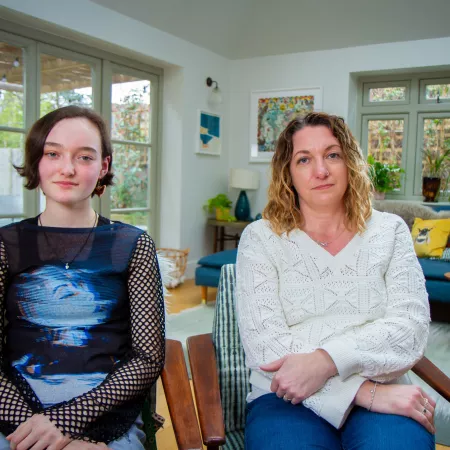
Learn how young people with epilepsy can access mental health support, including where to find help and tips for starting the conversation.

Discover helpful tips for improving sleep quality, especially for those with epilepsy, from bedtime routines to creating a sleep-friendly environment.
This content was written and verified by health experts.
Yinka Ebo APHNutr, MSc, BSc (Hons): Yinka Ebo is a Health Information Specialist with over 20 years’ experience creating clear, evidence-based content including for the NHS and leading UK charities such as Cancer Research UK, British Heart Foundation and Diabetes UK. As a Health Information Manager at Young Epilepsy, Yinka specialises in turning complex health information into accessible resources for children and young people with epilepsy to help them feel more informed and confident about navigating their life with the condition.
Emily Robson DPsych, MSc, BSC (Hons): Emily Robson is a Health Psychologist, Information writer, and Researcher with experience across the public and private sectors, including the NHS and leading UK health charities. She specialises in creating user-centred, evidence-based health information that empowers people to make confident, informed decisions about their health and wellbeing.
A space for young people, aged 13+, who are living with epilepsy, for them to share, learn and find support.
Get top tips and coping strategies and hear from other young people with epilepsy about how they are supporting their mental health wellbeing.

Discover educational support and resources for students with epilepsy, helping you manage your condition and achieve your academic goals.
Embark on your new career with confidence by checking out our guide to work and careers, covering your rights, support options, and personal stories.
From driving to transitions to adult healthcare, get tips from other young adults with epilepsy on navigating independence and life as you grow older.
Find guidance from young people with epilepsy on navigating family, friendships and dating, while feeling respected and included.

Getting out can feel scary with epilepsy. Whether it’s a holiday, night out or simple journey, find advice from young people who understand.
Explore stories from young people with epilepsy, covering diagnosis, seizures and treatment, with tips to help you feel more confident.
Become part of the Channel! Get involved and make your voice heard with other young people with epilepsy. Find out how you can be a part of this community.