

Epilepsy and mental health wellbeing
The emotional, physical, and social impact of living with epilepsy, along with support and resources to improve quality of life.
It's ok to not feel ok, but remember, you don't have to face it alone. There’s lots of help available and people that you can talk to.
Below are some organisations, charities and specialist services that are there to help whenever you need them.
If you need help urgently, contact one of the crisis helplines listed below.
If you need urgent help, there are places you can go:
Call 999 or go to A&E now if:
A mental health emergency should be taken as seriously as a physical one. You will not be wasting anyone's time.

For anyone struggling with their mental health, we have partnered with SHOUT, a FREE 24/7 confidential text service.
To start a conversation Text PURPLE to 85258
The emotional, physical, and social impact of living with epilepsy, along with support and resources to improve quality of life.

Tips from young people living with epilepsy about how to check in with them and their mental health, whether you're a friend or a professional supporting them.
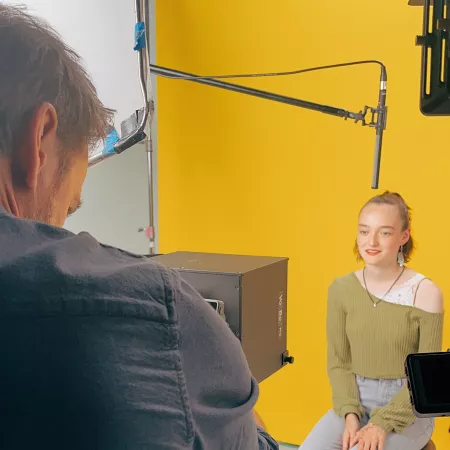
#UnderstandMyEpilepsy campaign is led by young people with epilepsy. We work with them; listen to them, and with them we will amplify their stories. Working together we will take their voices to the decision-makers, and make them sit-up and listen.
This content was written and verified by health experts.
Yinka Ebo APHNutr, MSc, BSc (Hons): Yinka Ebo is a Health Information Specialist with over 20 years’ experience creating clear, evidence-based content including for the NHS and leading UK charities such as Cancer Research UK, British Heart Foundation and Diabetes UK. As a Health Information Manager at Young Epilepsy, Yinka specialises in turning complex health information into accessible resources for children and young people with epilepsy to help them feel more informed and confident about navigating their life with the condition.
Emily Robson DPsych, MSc, BSC (Hons): Emily Robson is a Health Psychologist, Information writer, and Researcher with experience across the public and private sectors, including the NHS and leading UK health charities. She specialises in creating user-centred, evidence-based health information that empowers people to make confident, informed decisions about their health and wellbeing.
A space for young people, aged 13+, who are living with epilepsy, for them to share, learn and find support.
Get top tips and coping strategies and hear from other young people with epilepsy about how they are supporting their mental health wellbeing.

Discover educational support and resources for students with epilepsy, helping you manage your condition and achieve your academic goals.

Embark on your new career with confidence by checking out our guide to work and careers, covering your rights, support options, and personal stories.

From driving to transitions to adult healthcare, get tips from other young adults with epilepsy on navigating independence and life as you grow older.

Find guidance from young people with epilepsy on navigating family, friendships and dating, while feeling respected and included.

Getting out can feel scary with epilepsy. Whether it’s a holiday, night out or simple journey, find advice from young people who understand.
Explore stories from young people with epilepsy, covering diagnosis, seizures and treatment, with tips to help you feel more confident.

Become part of the Channel! Get involved and make your voice heard with other young people with epilepsy. Find out how you can be a part of this community.