
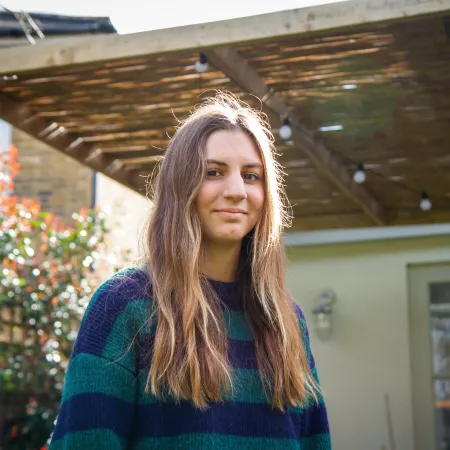
Asking me about my mental health
Tips from young people living with epilepsy about how to check in with them and their mental health, whether you're a friend or a professional supporting them.
Feeling overwhelmed is what happens when too many thoughts, feelings, or stresses pile up at the same time.

Being overwhelmed is like having too many apps open on your phone at once.
Everything slows down, glitches, or freezes because it’s trying to process more than it can handle. It can’t finish anything or start anything new. That’s how it feels when you are overwhelmed – too many things going on at once, making it impossible to concentrate on any one thing.
It can make you feel like there’s not enough hours in the day, and like you have too much to cope with.
When you feel overwhelmed, you might:
Being overwhelmed and having these reactions doesn’t mean that anything is wrong with you. It’s just your brain’s way of saying: “This is all too much right now”.
We all have busy lives, so it’s easy to feel overwhelmed. Can you remember the last time you switched off from social media, from your phone and the distractions of a typical day? This, on top of worrying about your health, makes it easy to feel overwhelmed.
Will I have a seizure today? Will I hurt myself or put others in danger? Will I lose my driving licence? Will I wet myself? Sometimes you probably think a hundred thoughts before you leave the house in the morning. And it can all seem too much. Worrying about your epilepsy can be stressful and make overwhelm more likely.
Feeling overwhelmed can also make focal seizures more likely for some people. But everyone feels overwhelmed in their own way. Some common signs of being overwhelmed are:
Other young people with epilepsy describe the impact on their mental well being as:
People don't expect you to be happy all the time, when you're dealing with a life-altering condition, so take each day at a time and always talk about how you're feeling. You need to prioritise your needs before anything else.Young person living with epilepsy
If you feel you’re carrying more than you can manage, talk about how you feel. Offload your feelings with family, friends and doctors – you’ll feel so much better for it.Young person living with epilepsy
Young people with epilepsy who responded to our survey told us:
57% of young people who responded to our survey said their epilepsy impacted their learning
63% of young people who responded to our survey said their epilepsy impacted their employment

I’m sure that anyone who lives with a chronic illness or disability can say they have felt overwhelmed by the impacts of their illness.
Being overwhelmed is a sign that your mind and body need a break. If you’ve had a bad nights’ sleep because of seizures, it’s a good idea to have a slower, more relaxed day instead of pushing to get through that to do list. Being kind to yourself is not giving up, it’s putting your wellbeing first. You’ll handle your tasks much better after you’ve had a rest.
Talk to friends, family, those you trust. Keep connected to those you care about and who care about you. And talk to us and others with epilepsy by making a referral to our support team.
Practice square breathing: Breathe in for 4 seconds, hold for 4, out for 4, hold for 4 and repeat.
Try another deep breathing exercise. It can be helpful to try a few different breathing exercises until you find one that you like.
Or give mental counting a go. Start at 50, close your eyes and count backwards to 1. These tips can help to shift your focus away from overwhelming thoughts.
What you eat and drink affects your mood and energy levels. Try to eat regularly and healthily. Avoid alcohol, as it can make low mood and tiredness worse, and make you feel more overwhelmed.
Sleep is one of the best things for helping your emotions stay steady. Aim for 8 hours or more if you can. If you struggle with sleep, find out here what you can do to help make sure you get a good night sleep.
Find exercise that you enjoy and look forward to. Exercise doesn’t have to be going to the gym or going for a run, and there’s no point trying to force yourself to do these things if you don’t enjoy them.
Hiking, dancing, yoga, pilates and tennis are all great ways to move your body. Try different kinds of exercise and find out what works for you. Exercise will help calm down the brain when it becomes overwhelmed, so that you can see and think clearly again.
Mindfulness means paying attention to what is happening right now — like how your body feels, what you can see or hear, or what you’re thinking — without judging it. It’s like giving your mind a little “quiet moment” to notice things. You can practice mindfulness when you’re brushing your teeth, eating a meal, walking outside, or spending time with a pet.
You can also check out mindfulness apps like Calm, HeadSpace, or Smiling Mind, which have free breathing exercises you can try.
Try the 5 4 3 2 1 technique to engage your senses anywhere.
Fresh air and nature can help calm you when life feels messy. Even a short walk can help you step back, breathe, and understand what you are feeling and what you need.
Try a progressive muscle relaxation exercise, or do something which you personally find relaxing, like reading a book or taking a bath. A little goes a long way.
Some people find journaling (writing down their feelings) helpful when they are overwhelmed. It can be helpful to write down everything which is racing through your mind. Some people find it helpful to write everything out into lists.
Or, you could write about something specific which is bothering you. You could also use some journal prompts to help you understand how you are feeling.
If you would like some support with feeling overwhelmed or your mental health, you can always talk to your GP. They can offer you some things to try and get you more support.
If you are struggling with overwhelm, remember, you are not alone.
Try downloading one of these apps that young people recommend:
Fabulous - A daily planner and self-care app to help improve your wellbeing.
My Possible Self – NHS-approved mental health app to help you understand and manage difficult feelings and stress.
Happify - Science-based activities and games can help reduce stress, overcome negative thoughts, and build greater resilience
If you would like to talk to someone, reach out to one of the organisations below. There are people ready and waiting to help you:
The Mix is a free and confidential support service for young people.
SHOUT is a free confidential 24/7 text service. Text PURPLE to 85258 to be connected to a trained volunteer who can support you in the moment.
More information and how you can get support from Young Epilepsy.

For anyone struggling with their mental health, we have partnered with SHOUT, a FREE 24/7 confidential text service.
To start a conversation Text PURPLE to 85258
Worrying about epilepsy on top of dealing with all the other stresses in life can easily lead to overwhelm. If you’re feeling overwhelmed, you’re not alone. You can always reach out for support, and there are lots of strategies you can try to help you cope better and feel in control.
Stay strong and try to look at what you can do in life, not what the epilepsy makes difficult/impossible.Young person living with epilepsy
The theme of being Overwhelmed has been supported by an educational grant by GW Pharmaceuticals.
Tips from young people living with epilepsy about how to check in with them and their mental health, whether you're a friend or a professional supporting them.

Discover helpful tips for improving sleep quality, especially for those with epilepsy, from bedtime routines to creating a sleep-friendly environment.
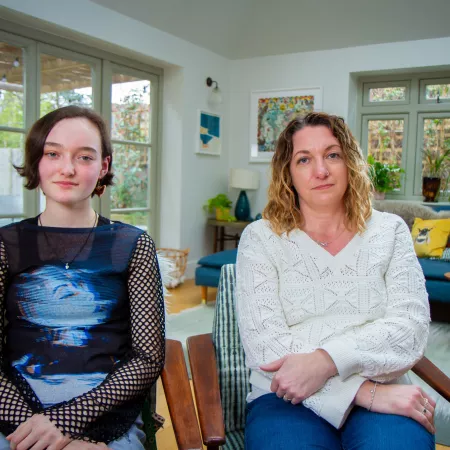
Learn how young people with epilepsy can access mental health support, including where to find help and tips for starting the conversation.

Shahleen’s epilepsy journey shows courage and resilience—breaking stigma, raising awareness, and inspiring young people to feel less alone

Emma-Louise turned trauma from epilepsy, bullying and loss into hope—writing a book to support others and raise awareness through Jo’s story.

Miles is seizure-free and lives life to the full. Getting here, however, was an inspiring journey to overcome the pressures and triggers of alcohol and drugs.
This content was written and verified by health experts.
Yinka Ebo APHNutr, MSc, BSc (Hons): Yinka Ebo is a Health Information Specialist with over 20 years’ experience creating clear, evidence-based content including for the NHS and leading UK charities such as Cancer Research UK, British Heart Foundation and Diabetes UK. As a Health Information Manager at Young Epilepsy, Yinka specialises in turning complex health information into accessible resources for children and young people with epilepsy to help them feel more informed and confident about navigating their life with the condition.
Emily Robson DPsych, MSc, BSC (Hons): Emily Robson is a Health Psychologist, Information writer, and Researcher with experience across the public and private sectors, including the NHS and leading UK health charities. She specialises in creating user-centred, evidence-based health information that empowers people to make confident, informed decisions about their health and wellbeing.
A space for young people, aged 13+, who are living with epilepsy, for them to share, learn and find support.
Get top tips and coping strategies and hear from other young people with epilepsy about how they are supporting their mental health wellbeing.

Discover educational support and resources for students with epilepsy, helping you manage your condition and achieve your academic goals.
Embark on your new career with confidence by checking out our guide to work and careers, covering your rights, support options, and personal stories.
From driving to transitions to adult healthcare, get tips from other young adults with epilepsy on navigating independence and life as you grow older.
Find guidance from young people with epilepsy on navigating family, friendships and dating, while feeling respected and included.

Getting out can feel scary with epilepsy. Whether it’s a holiday, night out or simple journey, find advice from young people who understand.
Explore stories from young people with epilepsy, covering diagnosis, seizures and treatment, with tips to help you feel more confident.
Become part of the Channel! Get involved and make your voice heard with other young people with epilepsy. Find out how you can be a part of this community.