
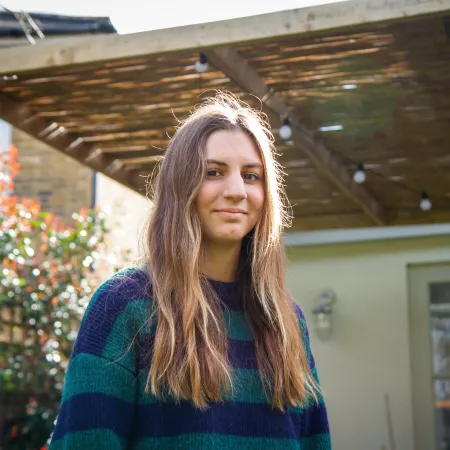
Asking me about my mental health
Tips from young people living with epilepsy about how to check in with them and their mental health, whether you're a friend or a professional supporting them.
Are you struggling with anxiety?
Epilepsy and anxiety often go together. This section of the Mental health and Wellbeing Space will help you understand why and give you some tips to help you.

Anxiety is when your body reacts as if it's in danger. You can get anxiety even when you feel safe. You might feel butterflies in your tummy or feel scared when nothing bad is happening.
Anxiety is a common feeling that most people will have at some point in their lives.
Seizures and anxiety often come together.
The fear of having a seizure, and of not knowing where or when it could happen can make you feel anxious. Being diagnosed with epilepsy can also cause anxiety, as can feeling left out from doing the things you enjoy because of your epilepsy. Anxiety can also be a side effect of some epilepsy medications. So, it’s no wonder that lots of people with epilepsy have anxiety.
Anxiety is a normal feeling that everyone gets sometimes, so be kind to yourself and remember you’re not alone. Around 1 in 3 people who don’t have epilepsy have high levels of anxiety.
Some symptoms of anxiety and panic attacks are similar to some types of seizures, which can make it confusing and worrying8. Knowing the symptoms of anxiety can help to reduce the effect of anxiety and reduce stress.
Signs that affect your body include:
Signs that affect your feelings and thoughts include:
Some people who have anxiety might also have panic attacks. A panic attack is intense and overwhelming anxiety.
Someone having a panic attack might feel intense anxiety, like something bad is about to happen. Someone who is having a panic attack might start shaking, sweating, have a racing heartbeat, feel unable to breathe or start breathing too fast, and feel sick. Panic attacks can be very frightening, and they can come on suddenly without any warning.
Everyone has mild anxiety sometimes, for example before an exam. In situations like this, anxiety is not a negative thing! Feeling nervous can motivate us to do well.
Anxiety also tells us about what is important to us. For example, if you feel anxious about having a difficult conversation with a friend, this is because the friendship is important to you. So, anxiety is not always a bad thing.
Anxiety can be a problem when it is has an impact on your mental health and wellbeing. More severe anxiety is intense, long-lasting, and might stop us from doing the things that we want to do.
Severe anxiety might look like constant worry, nervousness, or feeling on edge. It could be feelings of unease, panic, or a fear of losing control. Anxiety can also affect the body, for example a racing heart, shaking, feeling like it’s difficult to breathe, or sweating. Some people might experience anxious thoughts, like fixating on what might happen in the future, or what has happened in the past.
Anxiety affects everyone differently, so it’s important to understand what anxiety looks like for you, and what you can do to help you feel better.

Struggling with social anxiety and epilepsy? Hear real voices, get practical tips, and find support to go out with confidence and less overthinking.

Stuck in “what if I have a seizure?” thoughts? Learn why seizure worries can spiral, how reassurance cycles work, and small ways to feel more in control.
Other young people with epilepsy describe the impact on their mental well being as:
I’m constantly anxious about when and how bad my next seizure will be.Young person with epilepsy
I was scared to go out by myself for a good year and a half… my epilepsy has caused so much anxiety.Young person with epilepsy
Young people with epilepsy who responded to our survey told us
99% of young people, who responded to our survey, told us living with epilepsy has had an impact on their mental health
66% of young people, who responded to our survey, told us living with epilepsy has had an impact on their physical health

I was diagnosed with absence epilepsy at eleven years old. Since then I have been on a journey with my anxiety.
There are lots of things you can try to manage anxiety. Different things work for different people, so it’s a good idea to try different things and see what works best for you.
Focus on your senses: 5 things you can see, 4 things you can hear, 3 things you can touch, 2 things you can smell, 1 thing you can taste.
The 10 second rule: Focus on getting through the next 10 seconds and breaking each hour into manageable chunks of time. If you start to feel anxious, give yourself 10 seconds to breathe before you do anything. Don’t worry about getting through the week, or the day, or even the next task. When things are difficult, just focus on getting through the next 10 seconds.
Practice square breathing: Breathe in for 4 seconds, hold for 4, out for 4, hold for 4 and repeat.
Have you heard of CBT (Cognitive Behaviour Therapy)? If you are struggling with severe anxiety, visit your GP and they may refer you for Cognitive Behaviour Therapy.
Practice mindfulness when you’re brushing your teeth, eating a meal, walking outside. Notice what you can see, hear, touch, taste, or smell in the moment. Using your senses in this way can help you to feel calm and grounded.
A guided meditation is a calm time where someone talks you through how to relax. Guided Meditations to support with breath work are available for free on Youtube.
There are lots of apps with free resources you can use at any time when you are feeling anxious.
Telling your friends and family when you are feeling anxious can help you to manage worries and feel less alone.
Some people find it helpful to write down their anxious thoughts, to get them out of their head and onto paper.
Some people understand things better by looking at them, rather than talking. So colouring or making art can help them to express their feelings and to feel calm. Some people find mindful colouring helpful.
Have you heard of CBT (Cognitive Behaviour Therapy)? Cognitive Behaviour Therapy, or CBT, is a way of helping people feel better by teaching them how to change unhelpful thoughts into more helpful ones. It also helps them learn new ways to handle tough feelings and situations.
If you are struggling with severe anxiety, visit your GP and they may refer you for Cognitive Behaviour Therapy.
You can also learn some CBT skills to help yourself online: Online self-help CBT techniques - Every Mind Matters - NHS
If you have anxiety, please contact your GP.
If you are struggling with anxiety, remember, you are not alone.
Try downloading one of these apps that young people recommend:
WorryTree - Helps you record, manage and problem solve your worries and anxiety based on CBT techniques. Built by worriers, for worriers. If you would like to talk to someone, reach out to one of the organisations below. There are people ready and waiting to help you:
SANEline (for age 16 and over)
SHOUT - text PURPLE to 85258

For anyone struggling with their mental health, we have partnered with SHOUT, a FREE 24/7 confidential text service.
To start a conversation Text PURPLE to 85258
Anxiety is normal and most people will feel anxious at some point. Anxiety and epilepsy can happen at the same time, so it’s important to understand how anxiety shows up for you. There are lots of things you can do to manage anxiety, and you don’t have to face it alone.
Explain to your friends how you are feeling and why. I think you will be surprised how understanding and supportive people can be . xxThroughout our #OnTopOfEpilepsy campaign, supporters shared messages of support

Tips from young people living with epilepsy about how to check in with them and their mental health, whether you're a friend or a professional supporting them.
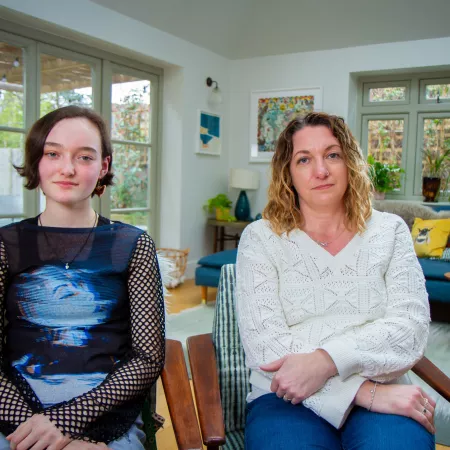
Learn how young people with epilepsy can access mental health support, including where to find help and tips for starting the conversation.

Discover helpful tips for improving sleep quality, especially for those with epilepsy, from bedtime routines to creating a sleep-friendly environment.
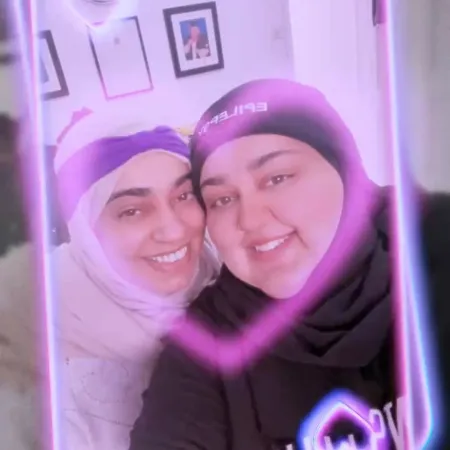
Shahleen’s epilepsy journey shows courage and resilience—breaking stigma, raising awareness, and inspiring young people to feel less alone

Emma-Louise turned trauma from epilepsy, bullying and loss into hope—writing a book to support others and raise awareness through Jo’s story.

Miles is seizure-free and lives life to the full. Getting here, however, was an inspiring journey to overcome the pressures and triggers of alcohol and drugs.
This content was written and verified by health experts.
Yinka Ebo APHNutr, MSc, BSc (Hons): Yinka Ebo is a Health Information Specialist with over 20 years’ experience creating clear, evidence-based content including for the NHS and leading UK charities such as Cancer Research UK, British Heart Foundation and Diabetes UK. As a Health Information Manager at Young Epilepsy, Yinka specialises in turning complex health information into accessible resources for children and young people with epilepsy to help them feel more informed and confident about navigating their life with the condition.
Emily Robson DPsych, MSc, BSC (Hons): Emily Robson is a Health Psychologist, Information writer, and Researcher with experience across the public and private sectors, including the NHS and leading UK health charities. She specialises in creating user-centred, evidence-based health information that empowers people to make confident, informed decisions about their health and wellbeing.
A space for young people, aged 13+, who are living with epilepsy, for them to share, learn and find support.
Get top tips and coping strategies and hear from other young people with epilepsy about how they are supporting their mental health wellbeing.

Discover educational support and resources for students with epilepsy, helping you manage your condition and achieve your academic goals.

Embark on your new career with confidence by checking out our guide to work and careers, covering your rights, support options, and personal stories.
From driving to transitions to adult healthcare, get tips from other young adults with epilepsy on navigating independence and life as you grow older.

Find guidance from young people with epilepsy on navigating family, friendships and dating, while feeling respected and included.

Getting out can feel scary with epilepsy. Whether it’s a holiday, night out or simple journey, find advice from young people who understand.
Explore stories from young people with epilepsy, covering diagnosis, seizures and treatment, with tips to help you feel more confident.
Become part of the Channel! Get involved and make your voice heard with other young people with epilepsy. Find out how you can be a part of this community.