

Breaking the silence: Shahleen’s fight against stigma
Shahleen’s epilepsy journey shows courage and resilience—breaking stigma, raising awareness, and inspiring young people to feel less alone
Get top tips and coping strategies and hear from other young people with epilepsy about how they are supporting their mental health wellbeing.
Living with epilepsy can be tough and can affect your mental health and wellbeing. As a young person with epilepsy, you may face challenges that your friends don’t have to deal with.
You’re juggling school, friends, family, growing up – and on top of that, you might be dealing with seizures, sticking to medication routines, hospital appointments, all while navigating everyday life. It’s a lot for anyone to handle.
Epilepsy can bring added stress and emotions, and you might notice it affecting your confidence, sleep, or how you feel about yourself. You might be worried about having a seizure in public, or you might be trying to protect the people around you from worrying about you.
If you’re struggling with your mental health and wellbeing, it’s important to remember that you’re not alone. How you feel makes sense, and there’s lots of support out there to help you to feel better.

Mental health is about your mind and emotions. It’s how you think, feel, and act. It’s also how you handle stress and make decisions. It can range from good mental health to mental health problems or disorders (like anxiety or depression).
Wellbeing is about your whole life, not just your mind. It includes your thoughts and feelings, your physical health (sleep, exercise, food), your relationships and your happiness and sense of purpose. Wellbeing is about your overall quality of life and how well you are doing in all areas.
Shahleen’s epilepsy journey shows courage and resilience—breaking stigma, raising awareness, and inspiring young people to feel less alone

Emma-Louise turned trauma from epilepsy, bullying and loss into hope—writing a book to support others and raise awareness through Jo’s story.

Miles is seizure-free and lives life to the full. Getting here, however, was an inspiring journey to overcome the pressures and triggers of alcohol and drugs.

The MyEpilepsyMind self-help course equips young people with epilepsy with practical ways to improve their mental health and wellbeing.
Anxiety is common emotion that many people experience, from mild to more severe forms. And it’s ok to feel anxious, especially during times of stress.
Depression effects on average 1 in 6 people in the UK. If you have epilepsy this is 1 in 3. Everyone feels sad from time to time, but a constant low mood shouldn’t be ignored.
Isolation is a word we may associate with being physically alone, but you can feel isolated in a room full of people. As a young person with epilepsy, isolation is a feeling you may know well.
Overwhelmed is an emotion that can cause physical strain during difficult times. It can make you feel like there’s not enough hours in the day, like you have too much to cope with.
Self-worth is how you value yourself, it’s also easily bruised, because it can be the hardest thing to protect.
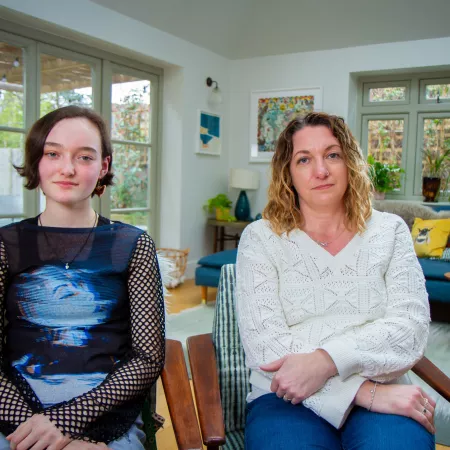
Learn how young people with epilepsy can access mental health support, including where to find help and tips for starting the conversation.

The emotional, physical, and social impact of living with epilepsy, along with support and resources to improve quality of life.

Discover helpful tips for improving sleep quality, especially for those with epilepsy, from bedtime routines to creating a sleep-friendly environment.

Tips from young people living with epilepsy about how to check in with them and their mental health, whether you're a friend or a professional supporting them.

For anyone struggling with their mental health, we have partnered with SHOUT, a FREE 24/7 confidential text service.
To start a conversation Text PURPLE to 85258

Speaking up about epilepsy and your mental health can feel difficult. Read advice from young people on being honest with professionals without feeling judged.

Why do you feel low after a seizure? Learn about postictal feelings, their impact on mental health, and practical ways to support your wellbeing.

'Epilepsy can mess with your health and overall wellbeing in many ways, whether it be mentally or physically and both can be hard to heal from.'

'The day I experienced my first seizure. So many emotions came crashing down. Fear, anger, sadness I didn't know what to do with myself.'
A space for young people, aged 13+, who are living with epilepsy, for them to share, learn and find support.

Discover educational support and resources for students with epilepsy, helping you manage your condition and achieve your academic goals.
Embark on your new career with confidence by checking out our guide to work and careers, covering your rights, support options, and personal stories.
From driving to transitions to adult healthcare, get tips from other young adults with epilepsy on navigating independence and life as you grow older.
Find guidance from young people with epilepsy on navigating family, friendships and dating, while feeling respected and included.

Getting out can feel scary with epilepsy. Whether it’s a holiday, night out or simple journey, find advice from young people who understand.
Explore stories from young people with epilepsy, covering diagnosis, seizures and treatment, with tips to help you feel more confident.
Become part of the Channel! Get involved and make your voice heard with other young people with epilepsy. Find out how you can be a part of this community.