

Breaking the silence: Shahleen’s fight against stigma
Shahleen’s epilepsy journey shows courage and resilience—breaking stigma, raising awareness, and inspiring young people to feel less alone
As a child or young person with epilepsy, your mental health can be affected by having to grow up while managing a health condition that adds fear, uncertainty and pressure to everyday life.
You are still growing into who you are, trying to keep up at school, find your place with friends, build confidence and independence, all while living with seizures and ongoing treatment.
Young people with epilepsy are four times more likely to struggle with their mental health. This isn’t only because of epilepsy itself, but because of the ongoing pressure, uncertainty and change you face during such an important stage of life.
There are four main reasons for the increased risk of mental health struggles in young people with epilepsy:
Mental health difficulties are linked to the same brain systems affected by epilepsy itself, including:
Anti-seizure medications can affect mental wellbeing directly, for example:
Living with epilepsy can be emotionally demanding, especially for young people, because of things like:
As a young person with epilepsy, there are things that you’ve had to think about that your friends might not have to. Things like the fear of seizures, taking medication, and trips to see your epilepsy doctors are all things you might be dealing with, along with all the other parts of growing up and everyday life.
Mental health struggles can affect anyone, but having epilepsy can make it worse. This can affect your feelings, how happy you are, and your relationships with friends, family and loved ones. Mental health struggles can also affect your body, and make it harder to take care of yourself.
If you’re struggling with your mental health or your feelings, then it’s important to know that it’s ok - you’re not alone and there’s help available.
Shahleen’s epilepsy journey shows courage and resilience—breaking stigma, raising awareness, and inspiring young people to feel less alone

Emma-Louise turned trauma from epilepsy, bullying and loss into hope—writing a book to support others and raise awareness through Jo’s story.

Miles is seizure-free and lives life to the full. Getting here, however, was an inspiring journey to overcome the pressures and triggers of alcohol and drugs.
Your meds, epilepsy medications or anti-seizure medication (ASM), are important for managing your seizures, but some can also negatively affect your mood.
If you are struggling with your mental health, it’s possible that your meds might be having an impact.
ASMs work by affecting brain cells, and chemicals called neurotransmitters, to help manage seizures. Our neurotransmitters also help with managing our emotions or feelings. This is why some people find that their ASM can affect their mood.
Different ASMs work on different brain cells and neurotransmitters. Some might improve your mood, whilst others might make it worse. So, a different ASM may work better for you if you’re struggling with feeling low. This will depend on the ASM you’re taking, along with any other medications you might be taking. Your epilepsy doctor or nurse will be able to talk to you about it.
If you think your medicine is making you feel worried or sad, it’s important to tell your epilepsy doctor or nurse. They can talk to you about maybe changing your meds to see if that may help.
Apart from your meds, there are other ways that epilepsy might affect your mental health. The fear of having a seizure can cause anxiety. You might be worried about having a seizure at school or college, or when you’re out with friends.
Your epilepsy might make learning at school harder or make it tricky to do some of the things you want to do, like starting work, going out to pubs and bars, dating, driving, or travelling.
We also know that it’s normal for someone with epilepsy to feel anxious or low before a seizure. Some people also feel confused, sad, worried, or irritable in the hours and days after a seizure. If you go through any of these things, know that you’re not alone.
Because of all the challenges that come with epilepsy, young people with epilepsy can feel worried or sad more often than others who don’t have epilepsy.
If you’re struggling, just know you’re not alone and you deserve help and to be happyYoung person with epilepsy
Feeling sad or worried sometimes is normal. Everyone gets upset and has anxiety sometimes, especially if you’re going through a change in hormones such as during puberty, or just before a period.
So, how do we know when we’re having a normal mood change, and when we should be thinking about our mental health?
It depends on how long the feeling lasts for and how strong the feeling is. Feeling on edge, worried, upset, or down for the whole day for weeks on end is not a normal mood. This can be a sign that you’re depressed or anxious.
The words ‘depression’ and ‘anxiety’ are commonly used, so it’s helpful to understand exactly what they mean.
You may have some or all of these symptoms, some or all of the time. If you’re having thoughts about not wanting to be here anymore, or thoughts about hurting yourself, speak to someone or get help from an organisation such as The Samaritans, The Mix or SANEline straight away.
In your body, you might notice:
Again, you may have some or all of these symptoms, some or all of the time.
Both depression and anxiety can affect your day-to-day life a little bit, or in a bigger way where you’re unable to do the things you normally do. Everyone has different experiences with their mental health, so your anxiety might look totally different from someone else’s.

Check out this round table of young people with epilepsy discuss their mental health experiences. In this episode, they discuss anxiety and low mood.
If you’re struggling with your mental health, help is available. If you’re dealing with tough thoughts or feelings that are messing with your day or just weighing on you, please reach out to someone. You really do deserve support.
Speak with your epilepsy doctor or nurse about how you’re feeling. They’re there to help. You’re not alone. Many people go through mental health struggles, they are common and they are treatable5.
Your medical team might talk to you about changing your meds. They can also get you a counsellor or specialist if you need extra support with your mental health. You may be able to have talking therapies such as cognitive behavioural therapy (CBT), either face to face, or via phone or video call6. Many people with epilepsy find that CBT helps with their mental health7.
It might be helpful to record your feelings in your seizure diary, if you have one, or in another notepad or diary. Some people find recording their emotions makes it easier to show their doctor what they are going through.
You don’t have to keep feeling this way — the right help can really make life feel better. You can talk about anything you want. You will be listened to, and you’re not going to be judged for being honest about your mental health. If you’re struggling find out how you can get support from us and other organisations here.
People with epilepsy sometimes have extra things to deal with, so it’s completely okay if they feel worried or sad sometimes. Everyone has feelings, and they deserve kindness and support. If you are struggling with your mental health or feelings, know that you are not alone, and there is help and support available for you whenever you need it.

On Top Of Epilepsy mental health campaign for young people with epilepsy

The Youth Voice Network have played an integral part in the #OnTopofEpilepsy campaign - see how we have achieved success!
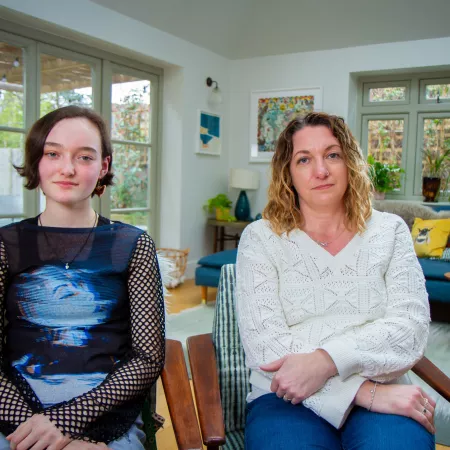
Learn how young people with epilepsy can access mental health support, including where to find help and tips for starting the conversation.
This content was written and verified by health experts.
Yinka Ebo APHNutr, MSc, BSc (Hons): Yinka Ebo is a Health Information Specialist with over 20 years’ experience creating clear, evidence-based content including for the NHS and leading UK charities such as Cancer Research UK, British Heart Foundation and Diabetes UK. As a Health Information Manager at Young Epilepsy, Yinka specialises in turning complex health information into accessible resources for children and young people with epilepsy to help them feel more informed and confident about navigating their life with the condition.
Emily Robson DPsych, MSc, BSC (Hons): Emily Robson is a Health Psychologist, Information writer, and Researcher with experience across the public and private sectors, including the NHS and leading UK health charities. She specialises in creating user-centred, evidence-based health information that empowers people to make confident, informed decisions about their health and wellbeing.
A space for young people, aged 13+, who are living with epilepsy, for them to share, learn and find support.
Get top tips and coping strategies and hear from other young people with epilepsy about how they are supporting their mental health wellbeing.

Discover educational support and resources for students with epilepsy, helping you manage your condition and achieve your academic goals.

Embark on your new career with confidence by checking out our guide to work and careers, covering your rights, support options, and personal stories.
From driving to transitions to adult healthcare, get tips from other young adults with epilepsy on navigating independence and life as you grow older.

Find guidance from young people with epilepsy on navigating family, friendships and dating, while feeling respected and included.

Getting out can feel scary with epilepsy. Whether it’s a holiday, night out or simple journey, find advice from young people who understand.

Explore stories from young people with epilepsy, covering diagnosis, seizures and treatment, with tips to help you feel more confident.
Become part of the Channel! Get involved and make your voice heard with other young people with epilepsy. Find out how you can be a part of this community.