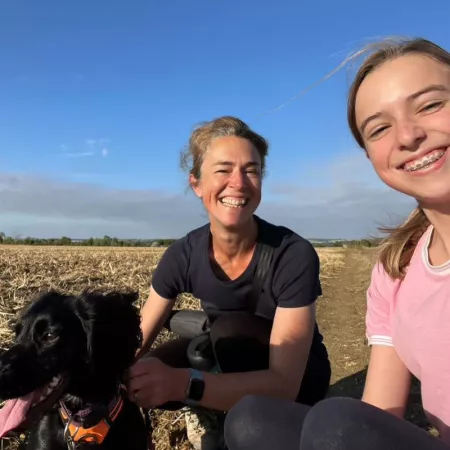
I’m Lisa, and I’m mum to my daughter Phoebe, who’s 15, and my son Harley, who’s a couple of years younger. My partner Daniel lives with us too, so we’re a close family.
Before epilepsy, everything was normal. Phoebe was completely healthy. There were no warning signs at all.
Then, in January 2023, everything changed.
“She was diagnosed completely out of the blue… she was completely healthy, no prior medical conditions.”
The day epilepsy became part of our lives
When Phoebe had her first seizure, I just knew something wasn’t right. Even though other people thought it might be something else, I had a feeling.
When we got the diagnosis, it hit us hard.
“I just thought, I can’t deal with this.”
But at the same time, I knew we had to face it and learn quickly.
I threw myself into understanding epilepsy, learning everything I could, because I knew that would help keep Phoebe safe.

Trying to stay in school (and why it didn’t work)
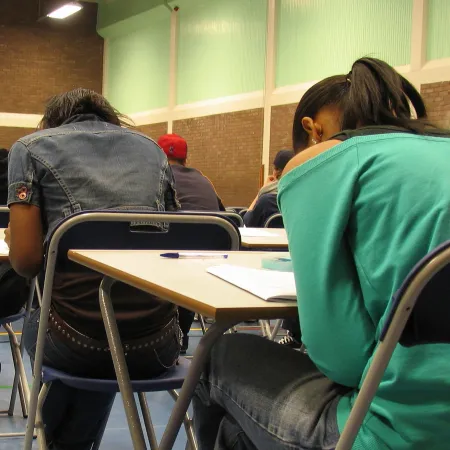
At first, we tried to keep Phoebe in school. But it quickly became clear that the school couldn’t meet her needs.
“She was hiding under the tables when she was having seizures.”
There were serious safety issues. Staff weren’t always trained, and her care plan wasn’t followed properly.
Things got worse when she fell down the stairs after a seizure. That was the moment we knew something had to change.
“There was no ambulances called… none of the approach… her full care plan wasn’t followed.”
One thing that’s really stood out is how many people still don’t understand epilepsy.
There needs to be more training for teachers, bus drivers, and anyone who might need to help in an emergency.
“More people need to be trained in seizure first aid.”
We made the difficult decision to take her out of school and start home education. It was the safest option for her.

Adjusting to a new normal
Life now looks very different.
Phoebe takes medication at strict times every day, morning, afternoon and evening. We have alarms set, and she’s amazing at sticking to it.
“The consultant said, I wish all my patients were like that.”
On a typical day, we do schoolwork at home, go for walks, and try to keep life as normal as possible. But seizures are still part of everyday life.
She has different types of seizures, and some happen daily.
“It’s something we actively live with.”
We’ve had some really scary moments too. There have been times when we nearly lost her.
“We’ve had to be blue lighted in a few times.”
But we keep going.
The impact on Phoebe
Epilepsy hasn’t just affected Phoebe’s health. It’s affected her life in so many ways.
She’s lost friendships and has experienced bullying. She struggles with memory, fatigue and side effects from medication.
She also had a really difficult time on one medication that affected her mental health, which was incredibly hard to go through.
But despite everything, she shows incredible strength.
“She’s so strong and resilient… she really is amazing.”
What epilepsy has meant for our whole family
Epilepsy doesn’t just affect one person. It affects the whole family.
My son Harley has seen things no child should have to see.
“He’s seen his sister go out on a stretcher.”
We’ve all learnt seizure first aid together, and he’s become incredibly aware and supportive.
As for me, I had to leave my job as a preschool teacher to care for Phoebe full time.
“It really does turn your life upside down.”
There were moments in the early days when I would make sure Phoebe was safe… and then go somewhere private and just break down.

Finding support and not feeling alone
One of the hardest parts in the beginning was feeling alone.
That’s why reaching out for support made such a difference. Connecting with other young people with epilepsy helped Phoebe realise she wasn’t the only one going through this.
“It’s opened her eyes up to the fact that she doesn’t suffer alone.”
She’s made friends, gone to events, and started to rebuild her confidence.
For me, I’ve become passionate about raising awareness and helping other families.
“I’ve referred so many people… because I think it’s so important.”
Still living life
Even with everything we face, we don’t let epilepsy stop us completely.
Phoebe still goes out with friends, goes swimming (with safety measures), and we go on family trips.
“You can still do these things… you’ve just got to find a safer way.”
We’ve learned to plan around her condition, understand her triggers, and keep her safe without taking away her life.
Looking ahead
We’re now exploring further treatment options, including a VNS device, while continuing to manage her epilepsy day by day.
We don’t know exactly what the future will look like, but we try to stay positive.
“It does get better… you’ve got to learn to live with it and not let it live with you.”
What I want other families to know
If you’re at the very start of this journey, I want you to know this:
You’re not alone.
“There’s always going to be somebody who will advocate for you.”
It’s scary at first. It’s overwhelming. But with time, knowledge and support, you find your way.
This is our new normal and we’re still living, still hoping, and still moving forward together.