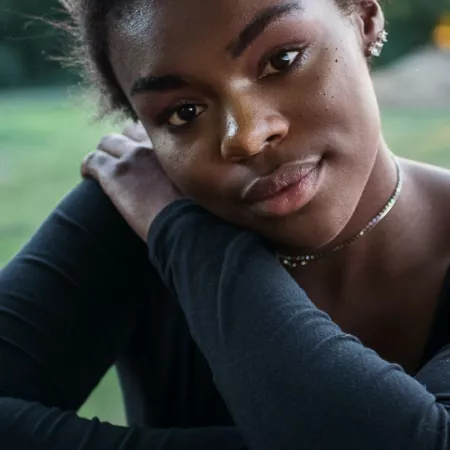
I was diagnosed with epilepsy when I was 13. At first I tried to ignore it, just wanting to be like everyone else. Now 18 and training to be a children’s nurse, I’m learning how to live safely, speak up for myself and help others feel less alone.
The night everything changed
I had my first seizure in January 2021, when I was 13. It happened late at night at home, just weeks before my family were due to move house.
My mum and dad heard banging noises and thought it was my brothers messing around. Then they came out and found me at the bottom of the stairs, shaking.
I’d fallen down the stairs during a seizure. No one knew what was happening at first.
They thought I’d been electrocuted. My lips were blue. Everyone panicked and called an ambulance.
After a stay in hospital, I went home. When no more seizures followed at first, the doctors hoped it might have been a one‑off. But by May, the seizures returned.
Within two months I’d had four or five. That’s when they said, no, this is definitely epilepsy.

Trying to pretend it wasn’t real
When I was 13 and 14, I didn’t fully understand how serious epilepsy could be.
I didn’t really take it seriously. I just tried to ignore it and get on with my life.
I wanted to do the same things as my friends and not feel different.
I wanted to get the bus on my own and go out like everyone else. So I just acted like it wasn’t there.
I often kept quiet about my epilepsy, even when it put me at risk.
I wouldn’t tell people where I was going. If I had a seizure, I’d just get up and carry on with my day.
Looking back, I know that wasn’t safe.
I didn’t realise how dangerous it actually is.
A turning point at 16
Things started to change when I was around 16. After 18 months without seizures, they came back.
I thought I was seizure free. Then they started happening again and I realised, this could be my life.
Starting my A levels also made me think differently.
I wanted to go to uni. I knew I had to be smarter and manage my triggers better.
From then on, I started taking more care of myself and accepting epilepsy as part of my life, not something to push away.
Finding the right medication
I have focal to bilateral tonic clonic seizures, and finding the right medication took time.
The first medication I tried had really hard side effects.
My memory was really bad. I couldn’t remember simple things, and I was doing my GCSEs at the time.
When I switched to Keppra, things improved.
It gave me an 18‑month gap with no seizures. The doctors were really hopeful.
Although I’ve still had seizures since then, the gaps between them are much longer.
That space between seizures makes a big difference.
Embarrassment and kindness on placement
I recently had a seizure while I was on placement at university.
I felt really embarrassed. It was with people I’d been working with every day.
But the way staff responded helped me feel safe.
The nurses were lovely. They phoned my mummy and looked after me really well.
Moments like that remind me why I want to work in healthcare.
I’ve seen what nurses do and how much they help people. It really inspires me.

When lack of understanding hurts
One of the hardest parts of growing up with epilepsy has been how other people treated me.
Some people at school made fun of it. Some even tried to make me have seizures.
At my first secondary school, staff didn’t always get it right.
They didn’t want me on the football team. They wanted me to eat lunch away from everyone else so I didn’t scare people.
My mum fought back.
She was like, that’s not happening. You can’t do that to a 15‑year‑old.
When I moved schools, everything changed.
My new school treated me like everyone else. I loved going to school again.
Independence and feeling safe
Technology has really helped me feel more confident and independent.
I have an epilepsy watch. If I have a tonic clonic seizure, it rings my mum and dad and sends them my location.
It’s given my family peace of mind, especially at night.
My mum used to check on me all through the night. Now she can actually sleep.
Small changes have helped in day‑to‑day life too.
I always carry my meds now, so I don’t miss out on last‑minute plans.
Learning to open up
For a long time, I kept my epilepsy to myself.
I didn’t want to be a burden on anyone.
That changed when I started opening up to people I trusted.
I realised it’s better for people to know what to do. It also makes me feel safer.
Being honest has helped me build stronger relationships.
It makes such a difference when people want to understand and help.
Looking forward
Now that I’m 18, I’m studying children’s nursing and thinking about the future.
Getting diagnosed made me really interested in epilepsy and healthcare.
I want to see more understanding and awareness.
I hate how long it took me to find charities and support. We need better awareness.
By sharing my story, I hope other young people won’t feel so alone.
It’s okay to take things one step at a time. You’re still normal. You can still do what you want to do.
My story shows why understanding epilepsy matters. With the right support, young people can feel safe, included and hopeful about their future.