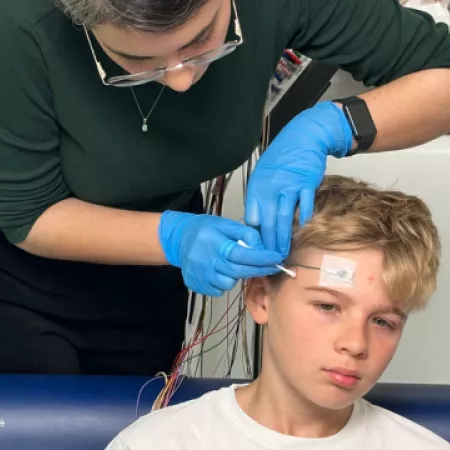
Scientists in Manchester have identified one of the most common genetic causes of severe childhood epilepsy, a breakthrough that is already bringing answers to families around the world.
The discovery was made by researchers at Manchester University NHS Foundation Trust and The University of Manchester, working through the NIHR Manchester Biomedical Research Centre. The findings, published in the journal Nature Genetics, reveal a previously unrecognised genetic condition that causes early‑onset, difficult‑to‑control seizures and severe developmental delays.
Among the first children to receive a diagnosis is six‑year‑old Ava from Sydney, Australia. For years, Ava and her family lived without an explanation for her epilepsy and complex needs. Following this research breakthrough, her condition finally has a name, giving her family clarity after years of uncertainty.
Researchers have so far identified more than 80 children worldwide with this newly recognised condition, known as recessive RNU2‑2‑related neurodevelopmental disorder. Experts believe that many more children remain undiagnosed, and that millions of people globally may unknowingly carry the genetic change linked to the condition.
For families, a diagnosis can make a profound difference. It helps clinicians better understand the condition, allows families to connect with others on a similar journey, and creates a foundation for future research and potential treatments.
Dr Jowinn Chew, Head of Research at Young Epilepsy, said:
“While this discovery does not yet translate into an immediate cure, it marks a significant advance for families who have often faced years of uncertainty. A definitive diagnosis replaces ambiguity with understanding, informs clinical management and support, and establishes a clear foundation for future research.
More broadly, this breakthrough underscores the value of research. By uncovering the genetic basis of rare and complex conditions, this work transforms scientific insight into tangible impacts that support patients and clinicians while enabling the development of more effective treatments and improved outcomes in the future.”
Early genetic diagnosis is a growing focus of epilepsy research, particularly for babies and children with severe or treatment‑resistant epilepsy. Understanding the genetic cause can help guide care, avoid unnecessary tests, and support families to plan for the future.
At Young Epilepsy, we are committed to research that improves diagnosis, treatment and long‑term outcomes for children and young people with epilepsy. Discoveries like this highlight how investment in research can change lives, not just through new treatments, but by giving families answers, understanding and hope.